

Carbon Copies (Frances Whitehead)
2021
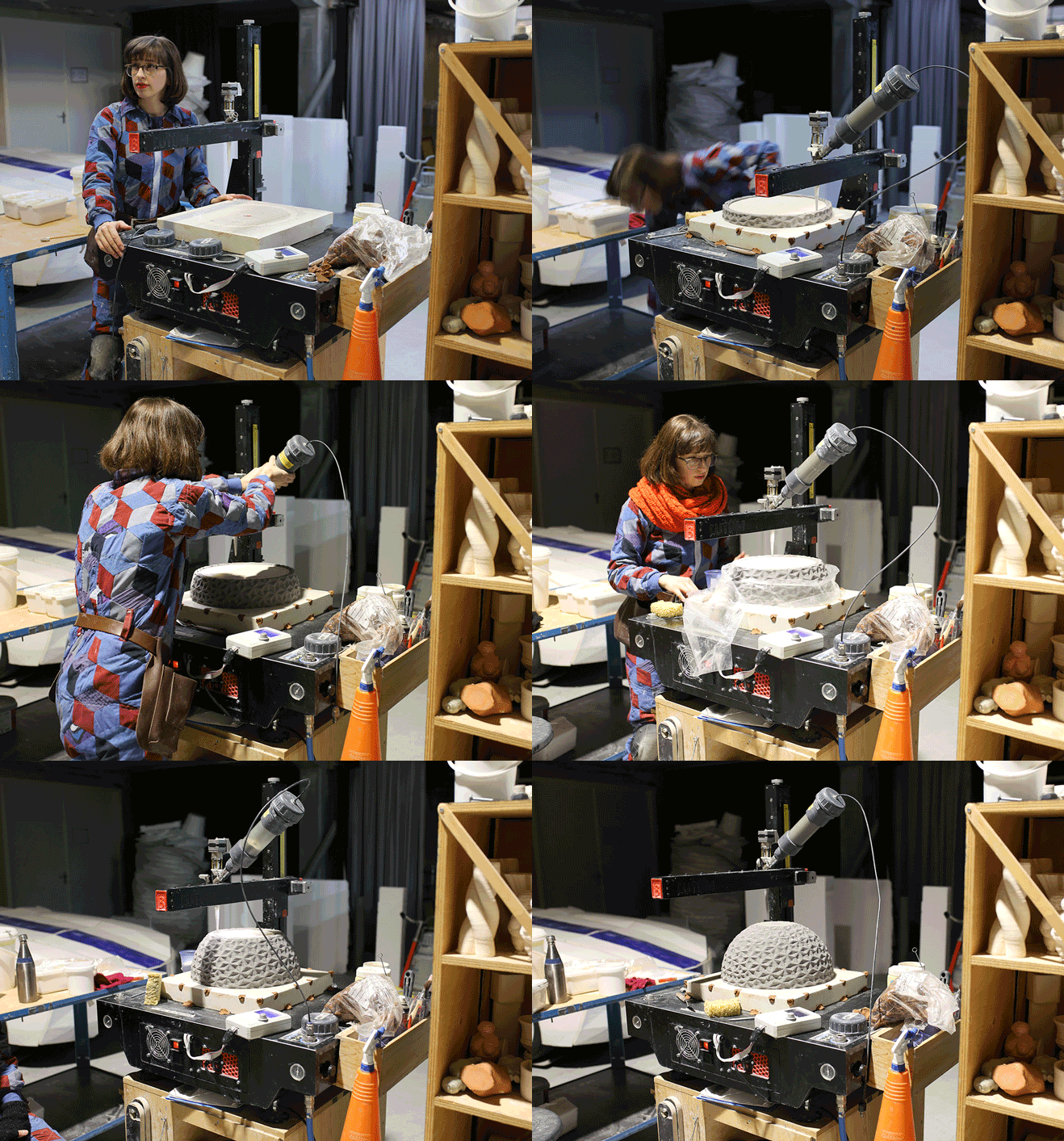
Carbon Copies (Frances Whitehead) is part of Keeley Haftner’s ongoing series Sculpture from Other Sculptors’ Sculptures, in which she transforms other artists’ discarded works into new material and conceptual forms. This iteration centres on two ceramic toilet sets created in 2002 by Chicago-based artist Frances Whitehead during her residency at the European Ceramic Workcentre (EKWC). Glazed to symbolically register the New Amsterdam Peil (NAP) water level, the toilets later proved incompatible with American plumbing and were donated to Haftner in 2016.
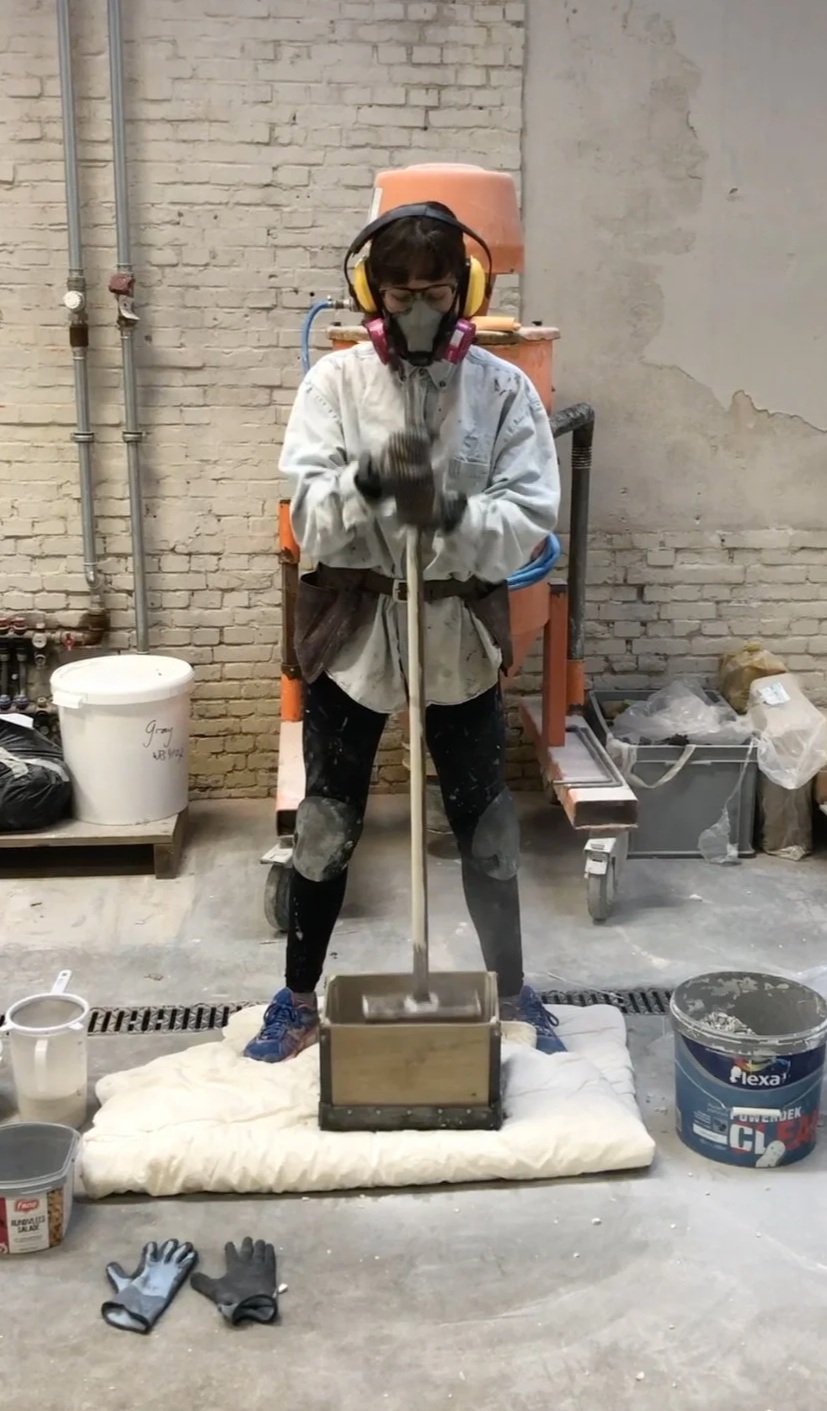
In 2018, Haftner relocated from Chicago to the Netherlands, bringing the sculptures back to the country where they were originally produced. This serendipitous, nearly 40,075-kilometre trans-Atlantic and cross-continental journey prompted her to undertake the same EKWC residency nearly twenty years after Whitehead. During her 2021 residency, Haftner pulverized the toilets and combined the debris with waste clay as the raw material for a new body of work.
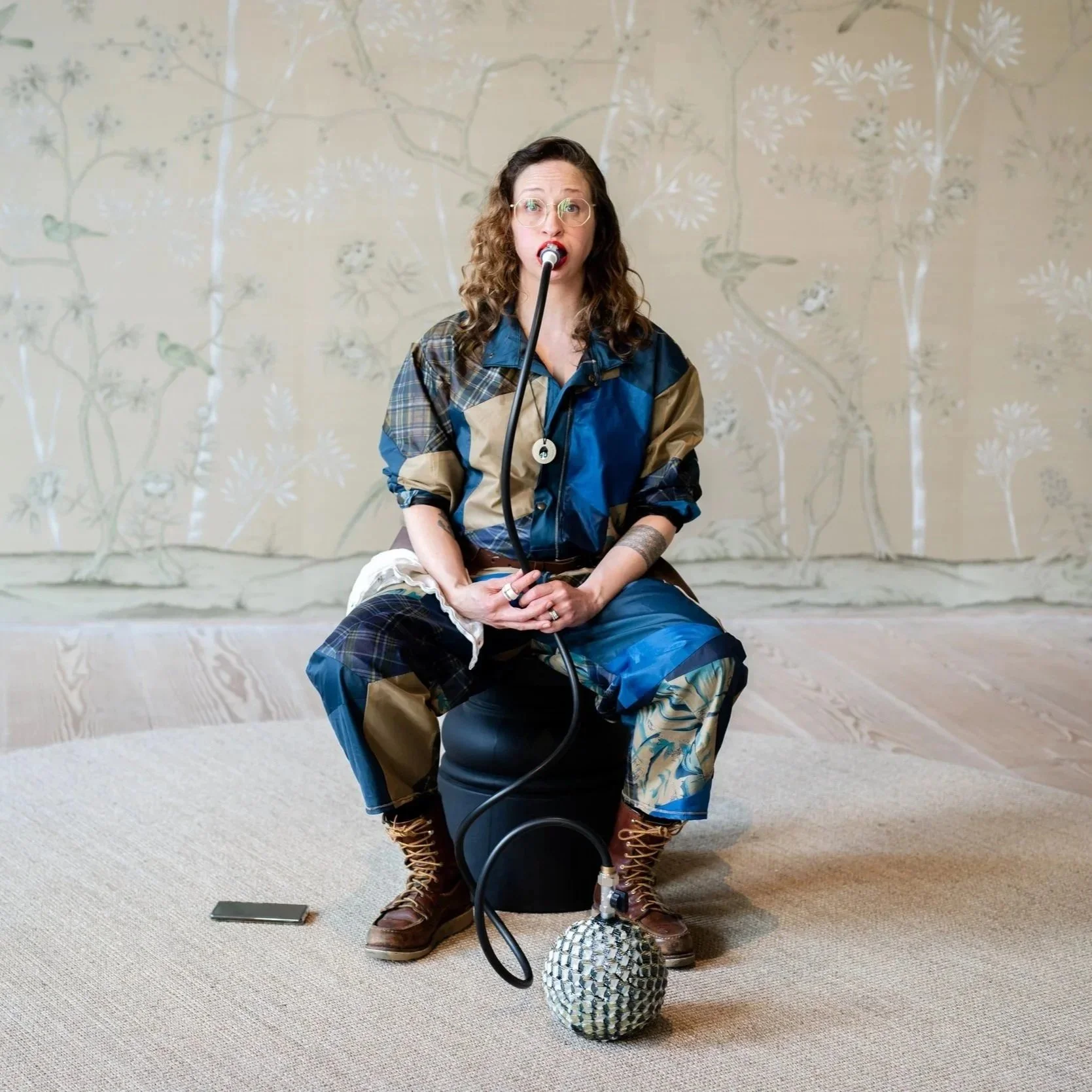
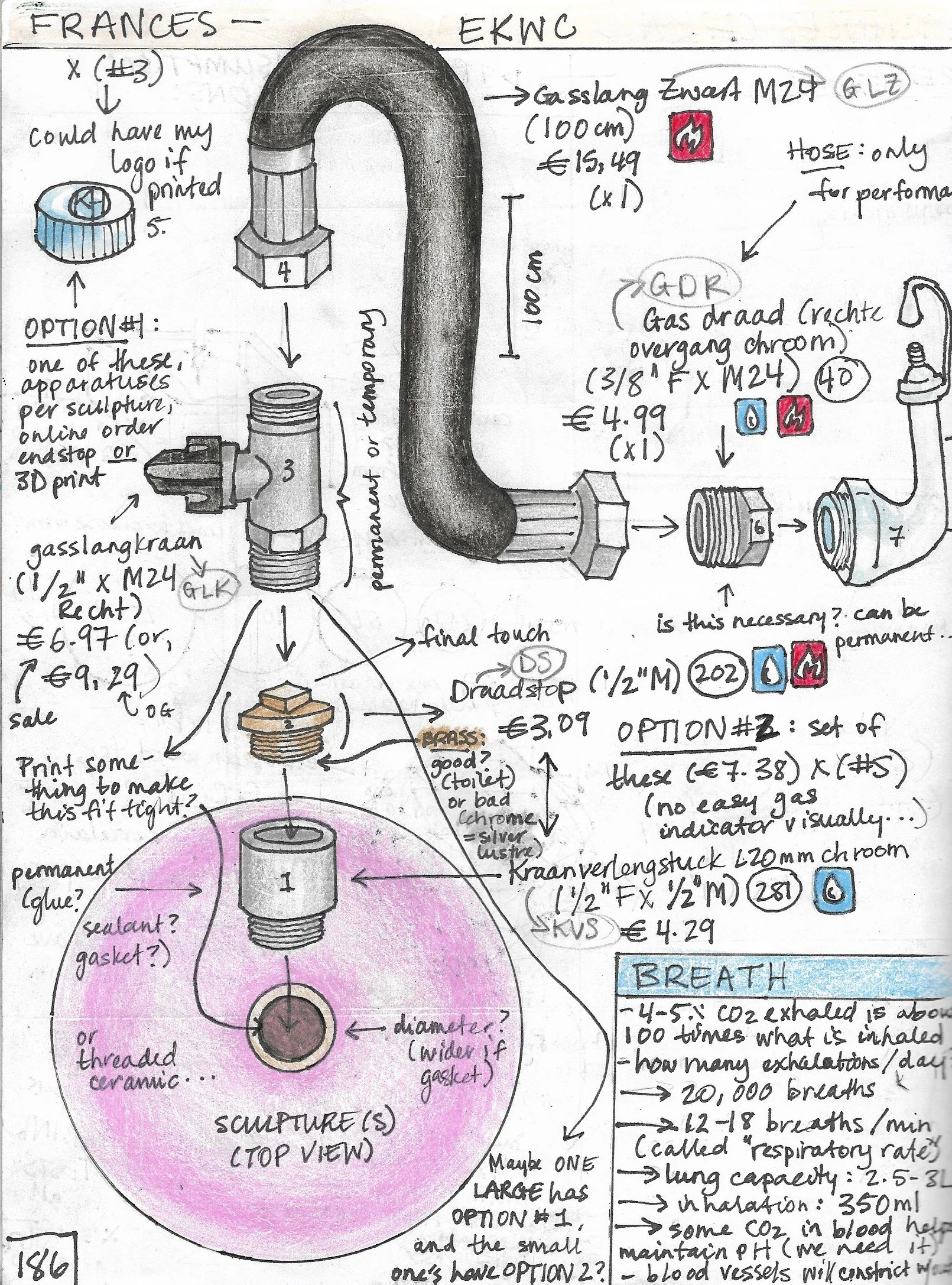
Haftner’s material and ecological research culminated in seventeen ceramic vessels, each scaled to the volume of CO₂ in human breath over time. As a performance, she exhales into each vessel before sealing it, preserving her breath as both literal and symbolic carbon offset—an intimate counterpoint to the emissions tied to the works’ fabrication, international transport, and later transformation.
Carbon Copies (Frances Whitehead) reflects on sustainability, circularity, and the tracing of carbon footprints, positioning waste as both medium and message. By giving Whitehead’s discarded works a second life, Haftner extends her broader investigation into waste as both subject and source, merging personal gesture, global environmental concerns, and the legacies of artistic production. The works have been performed and exhibited in a range of contexts, from This Art Fair Amsterdam to the Ceramic Museum of the Netherlands.
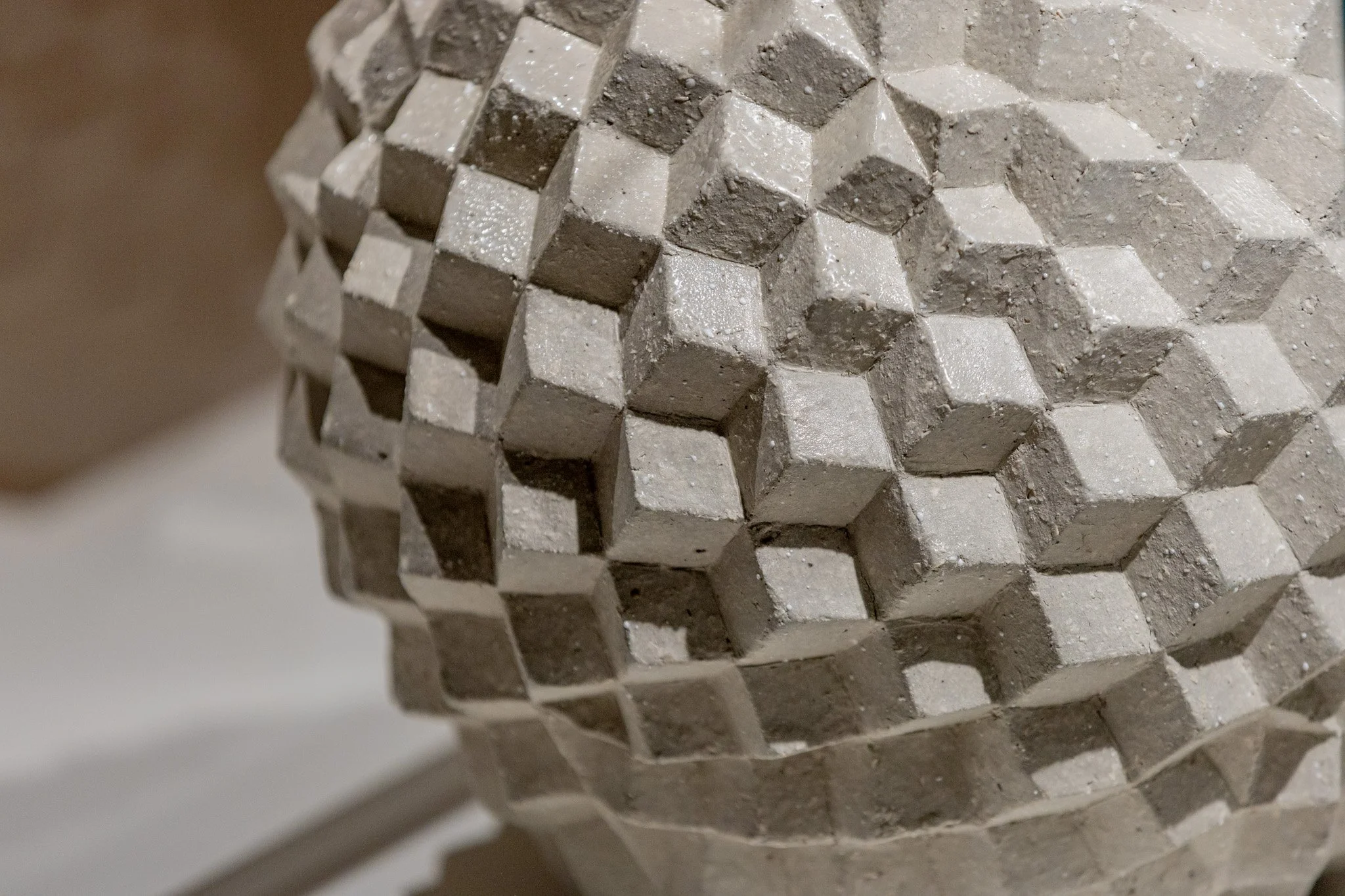

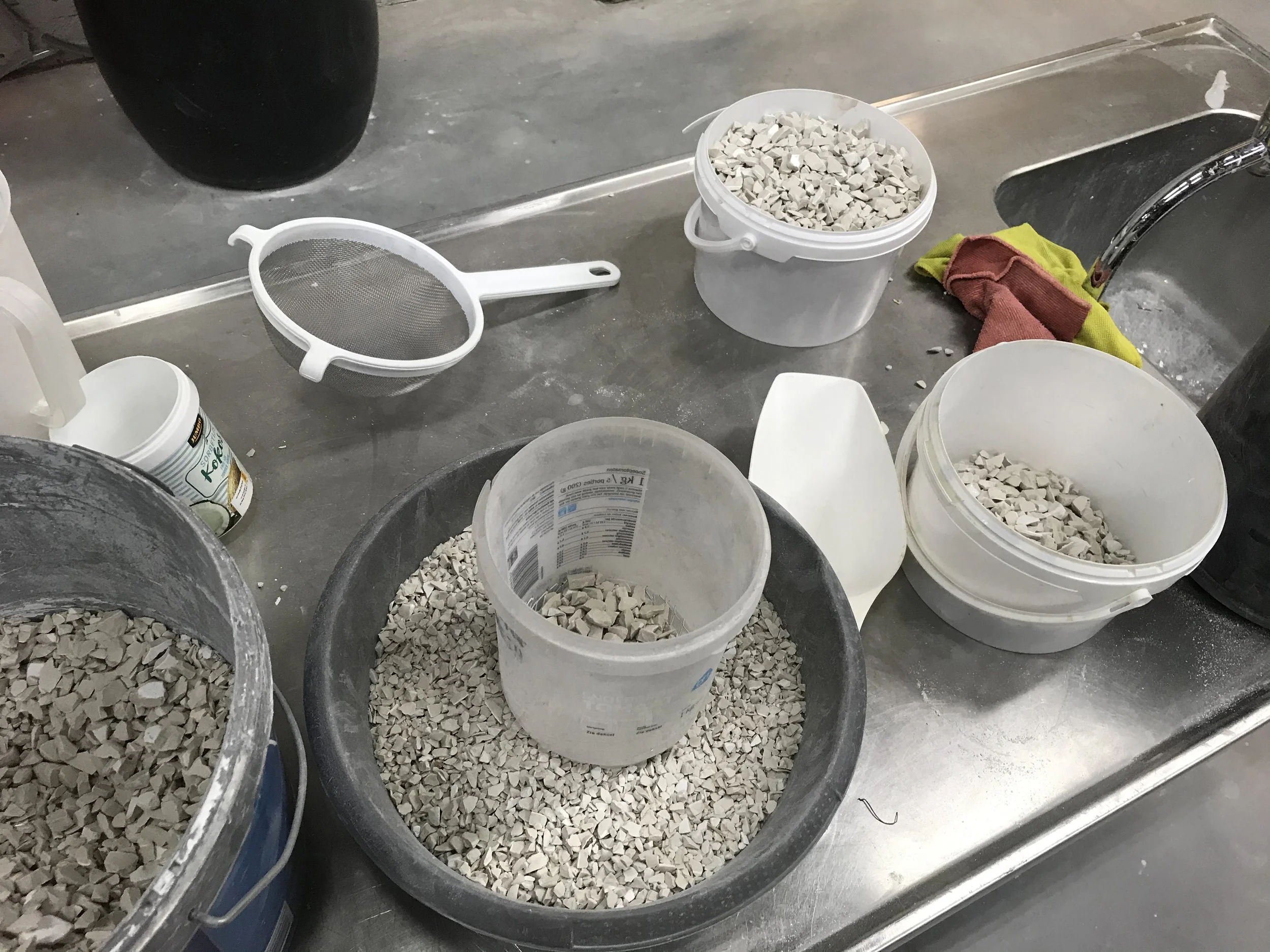


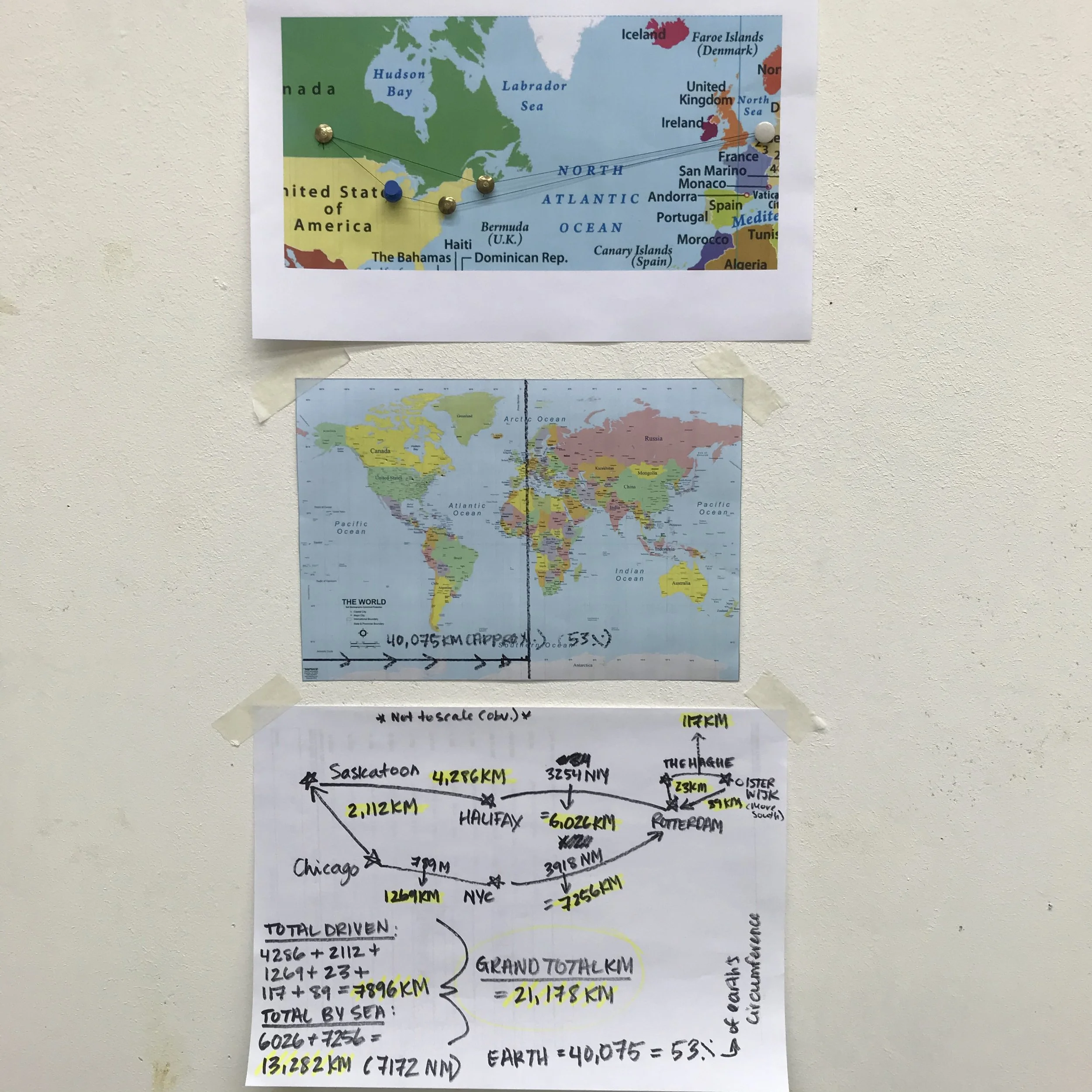
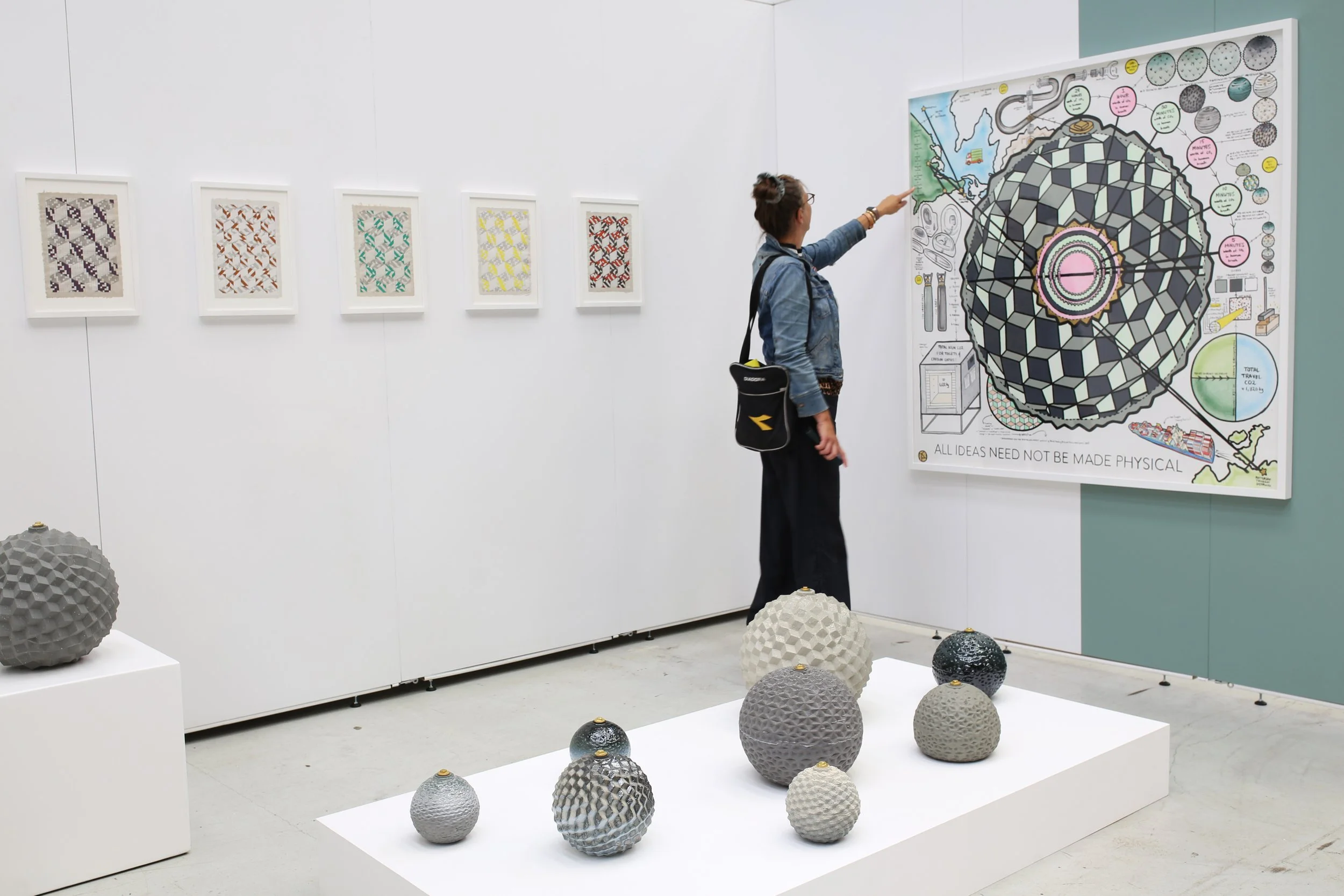
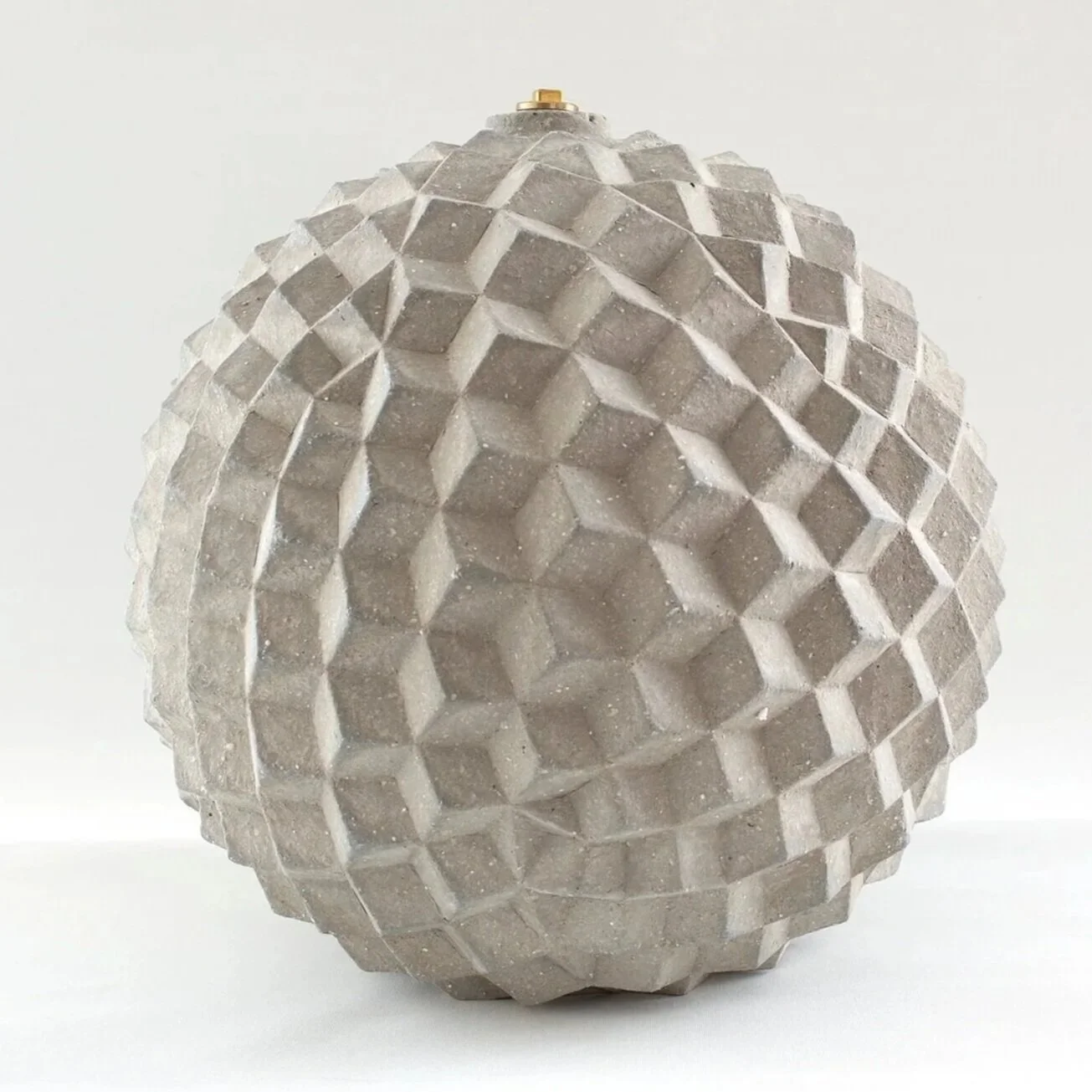
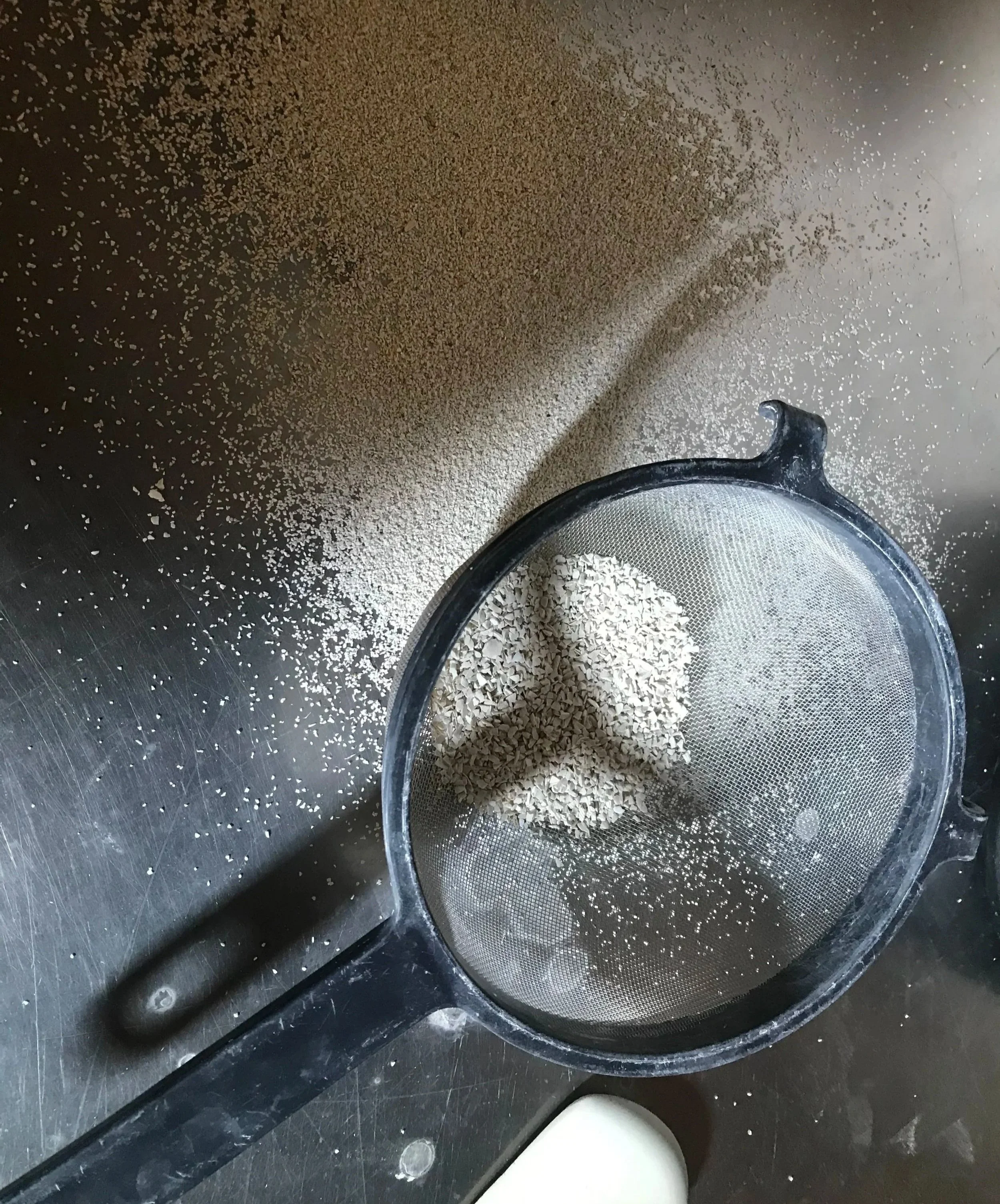
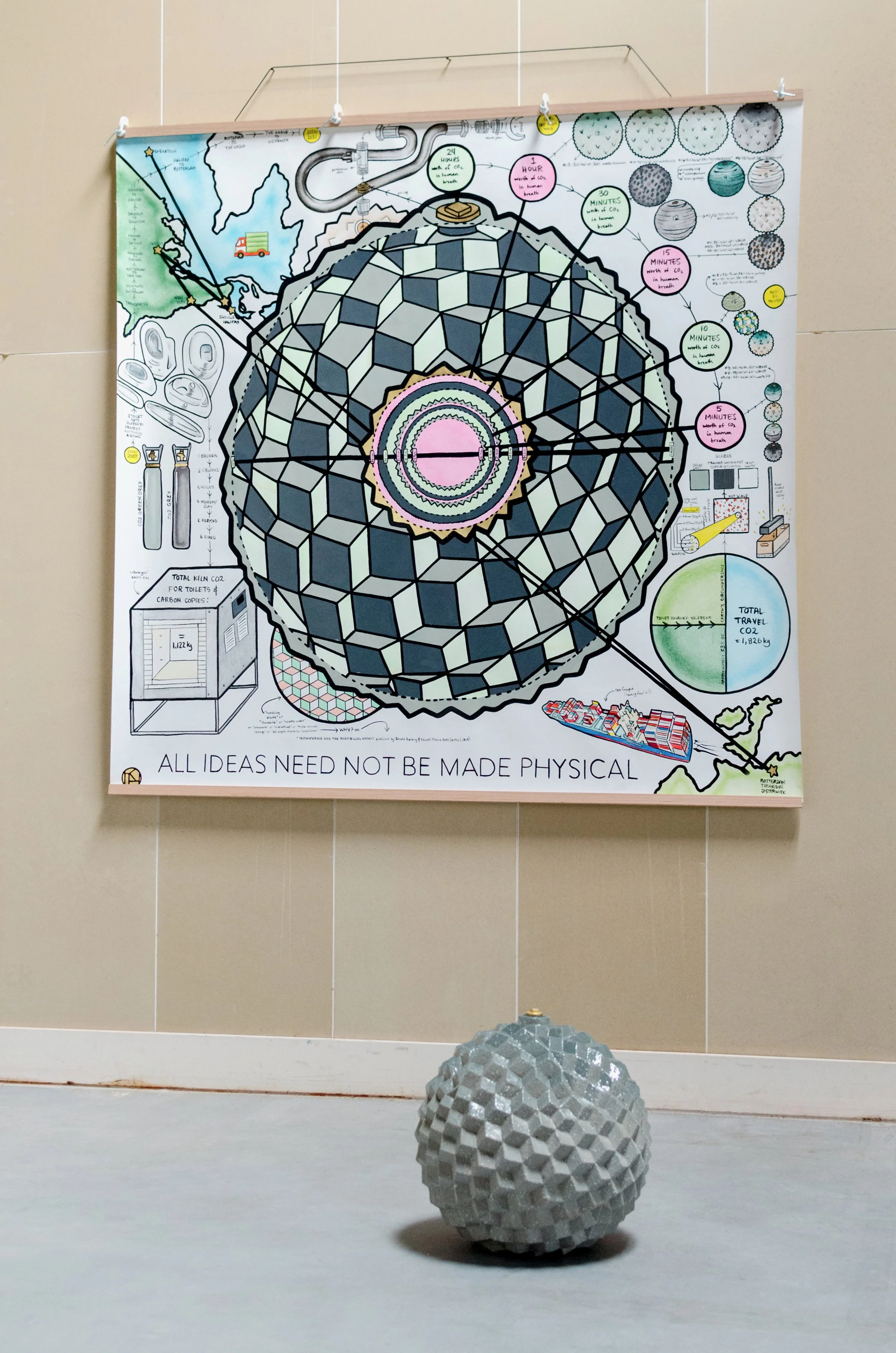
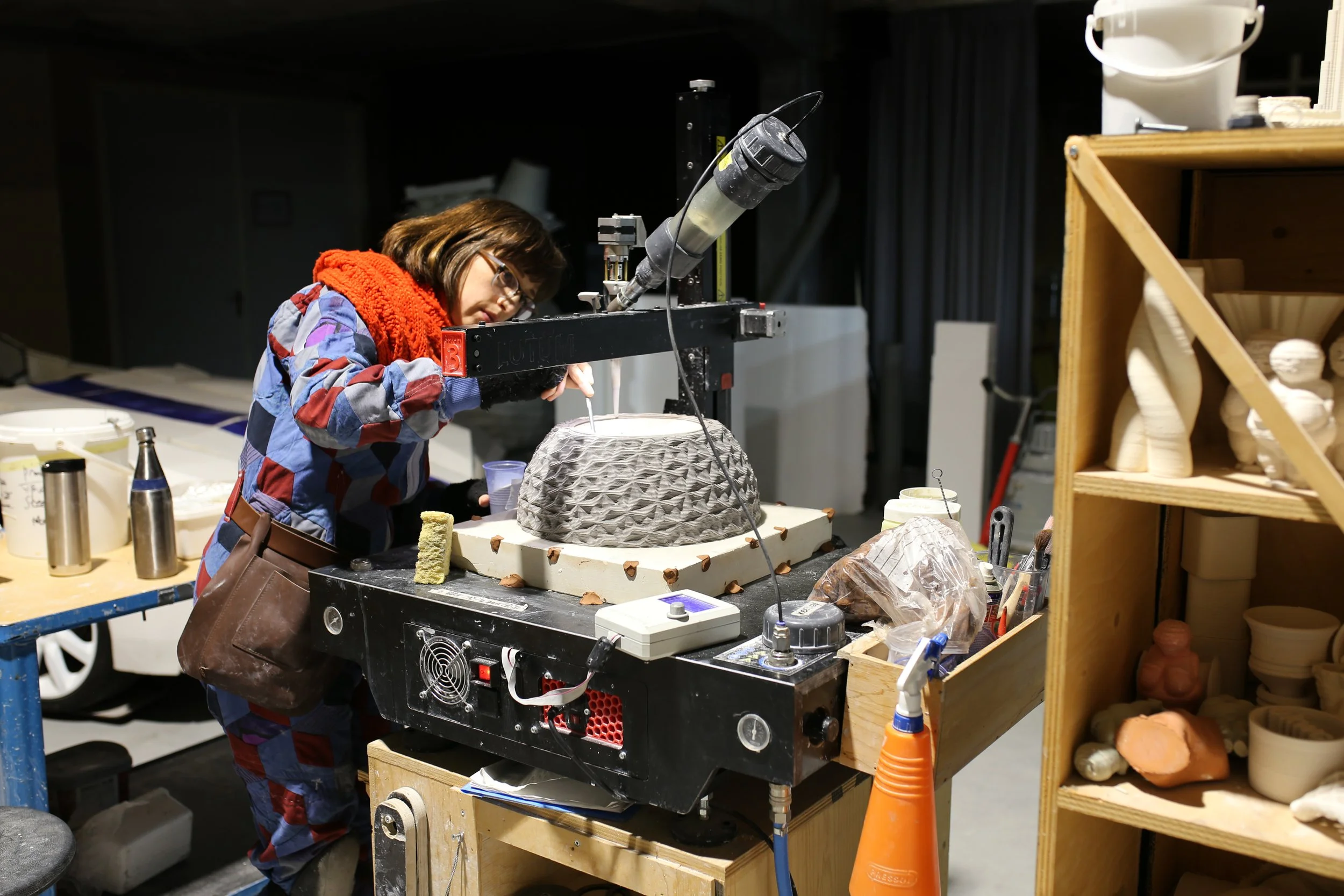
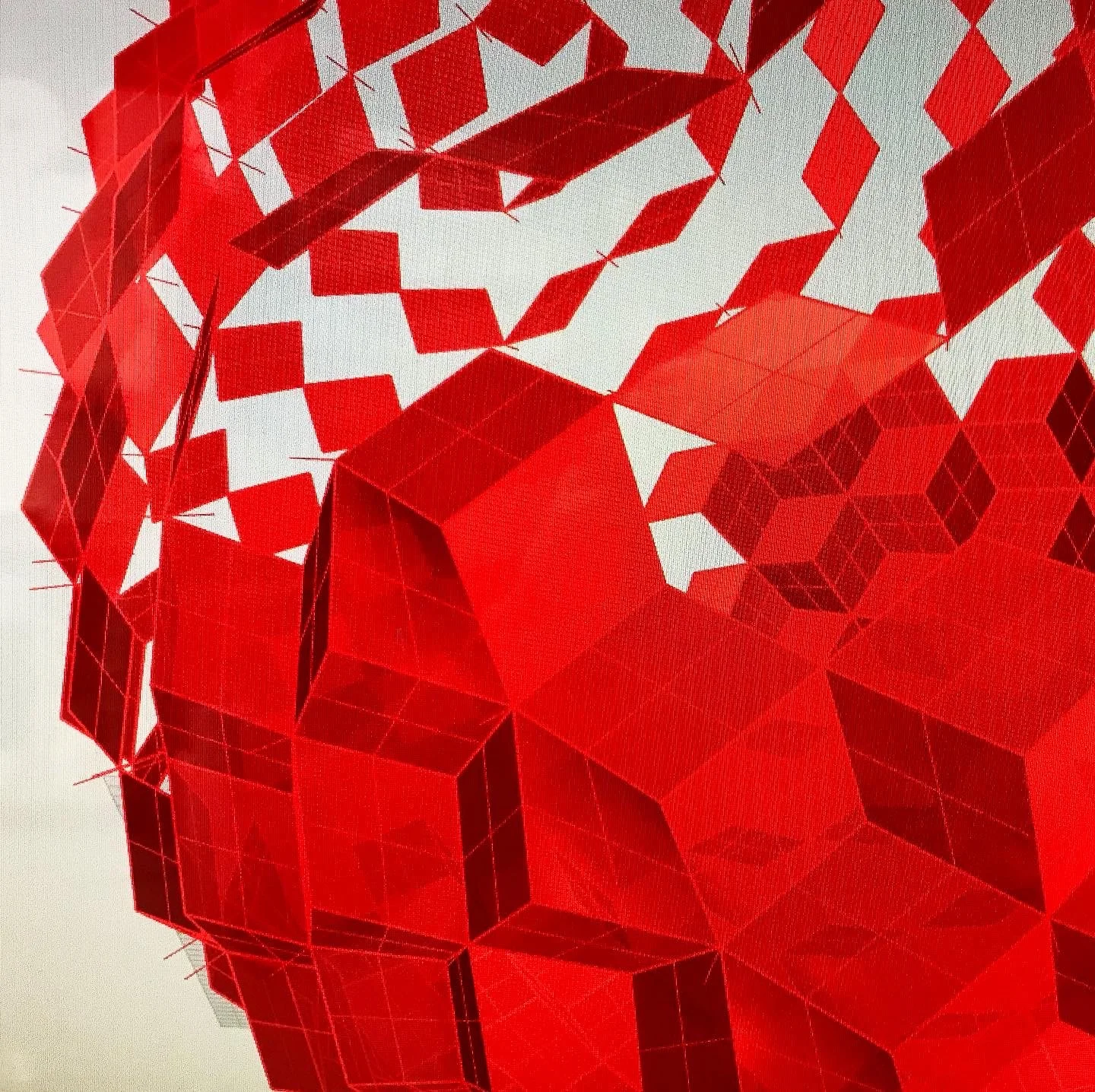
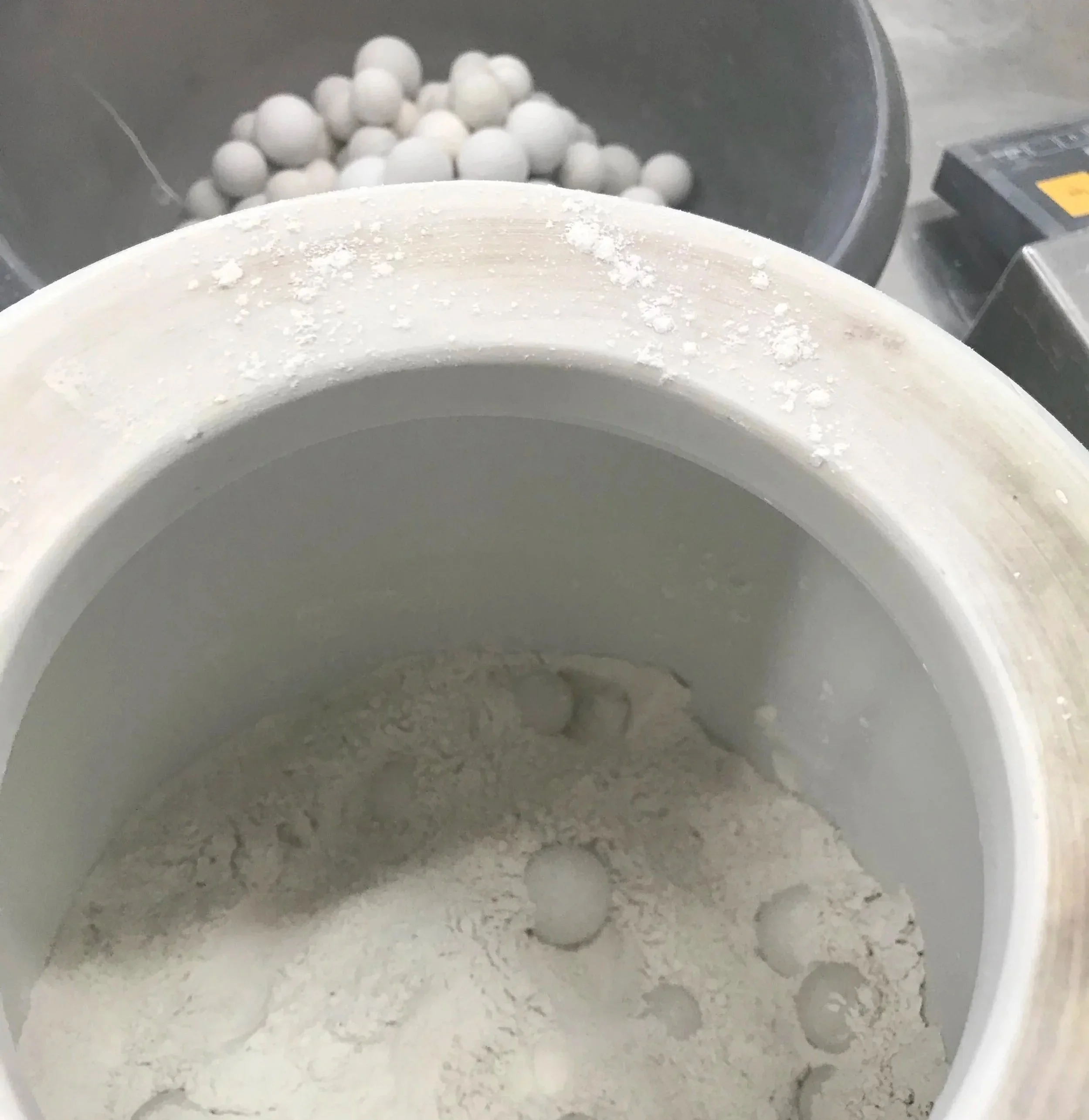
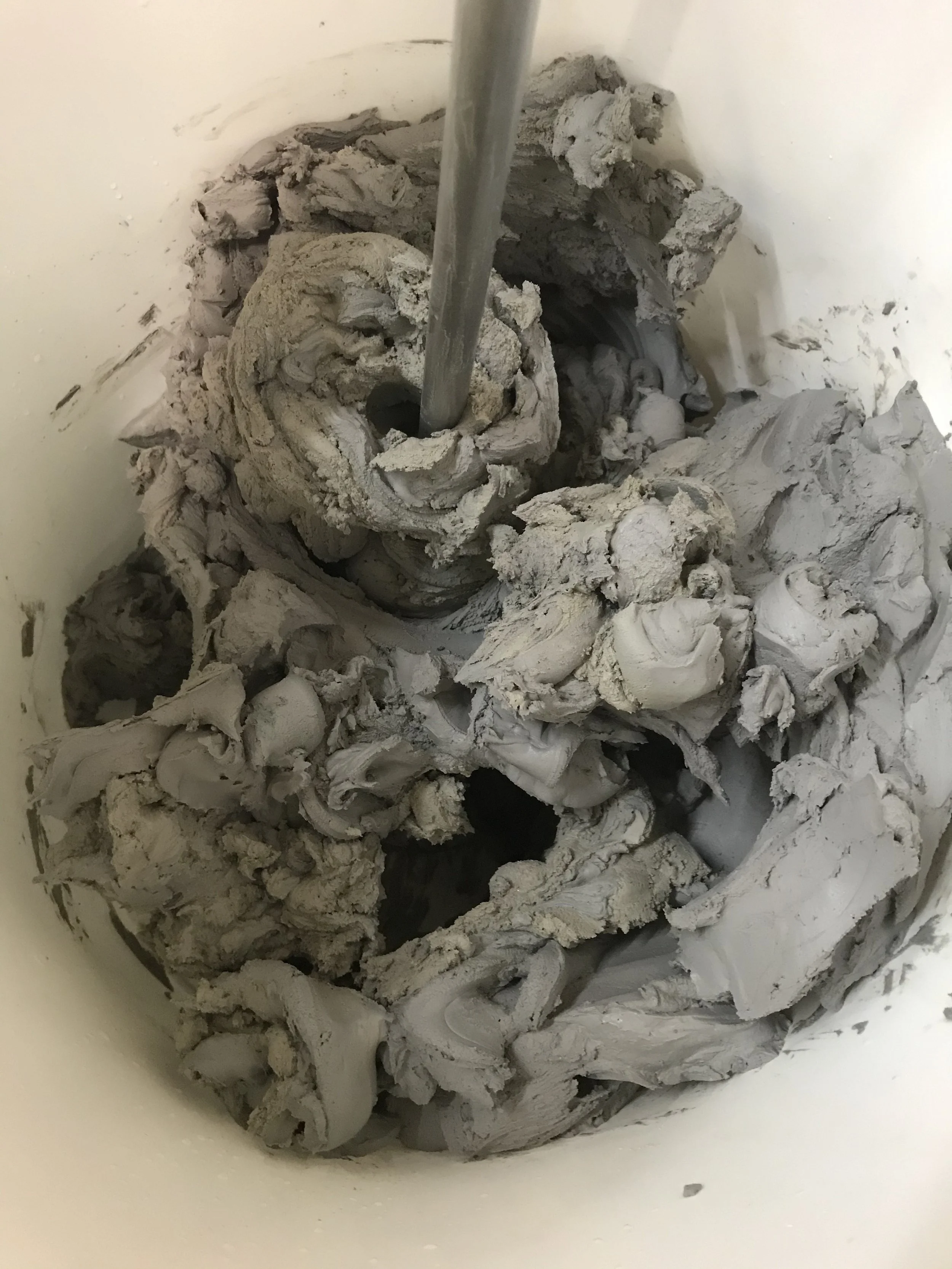
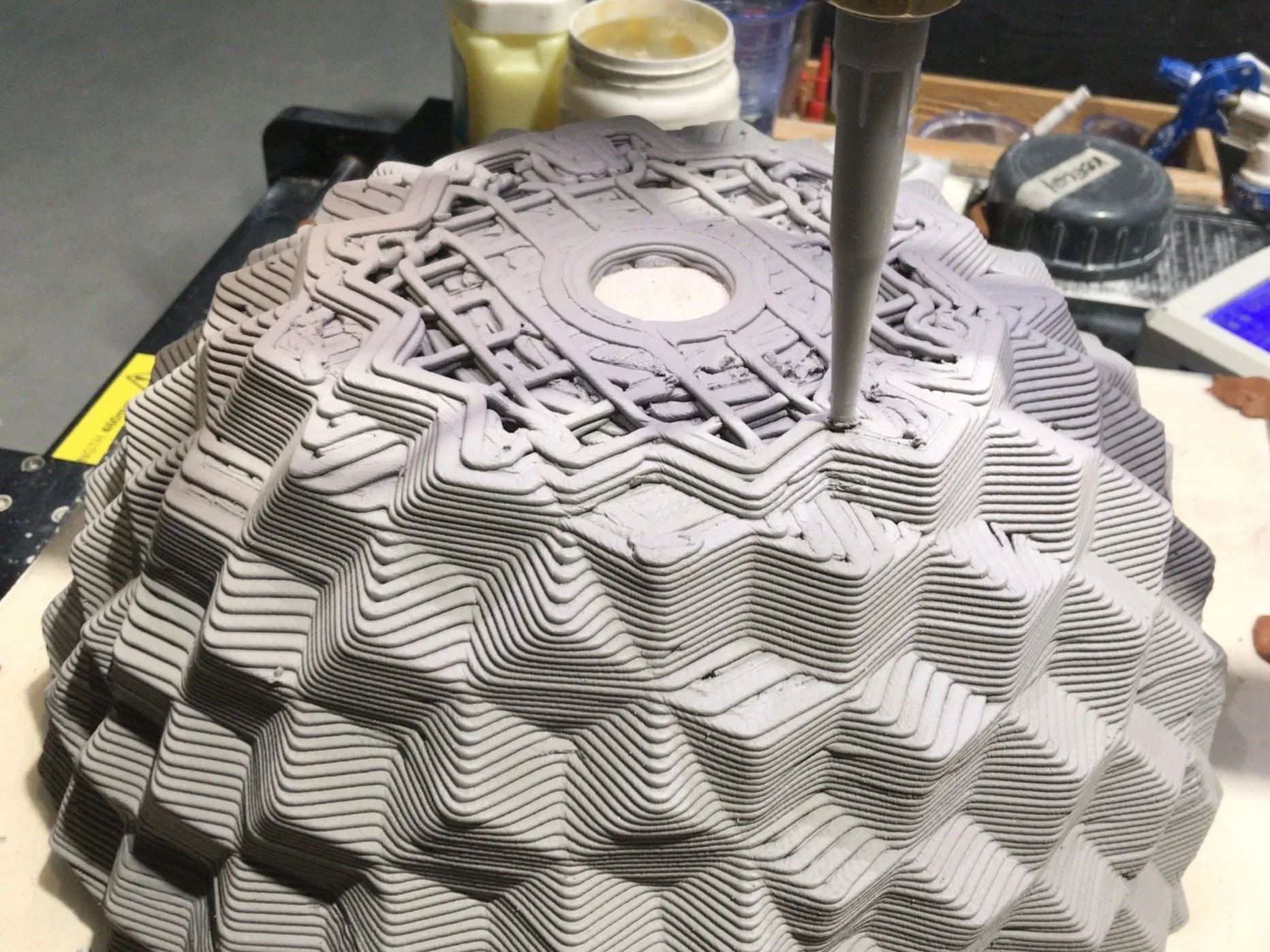
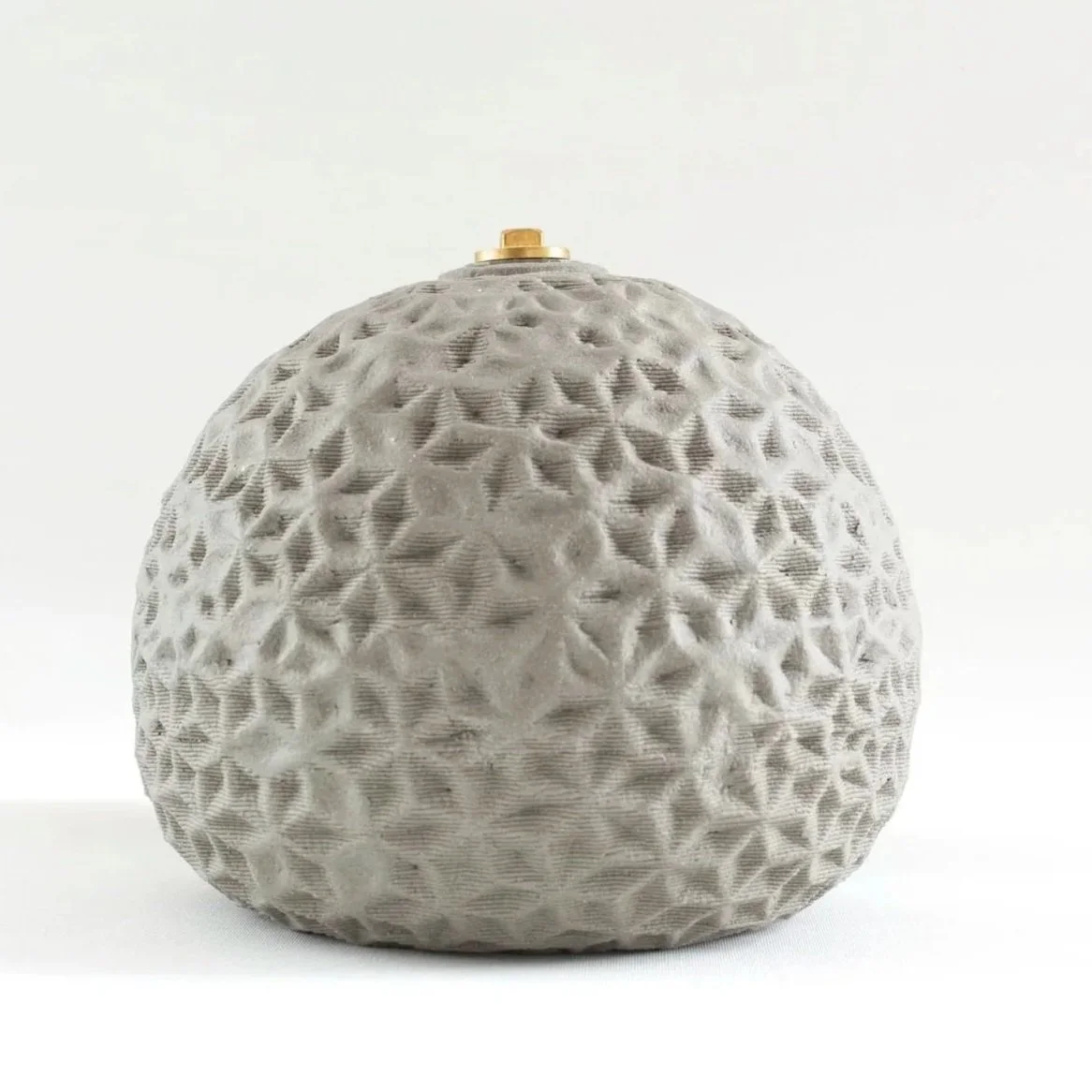
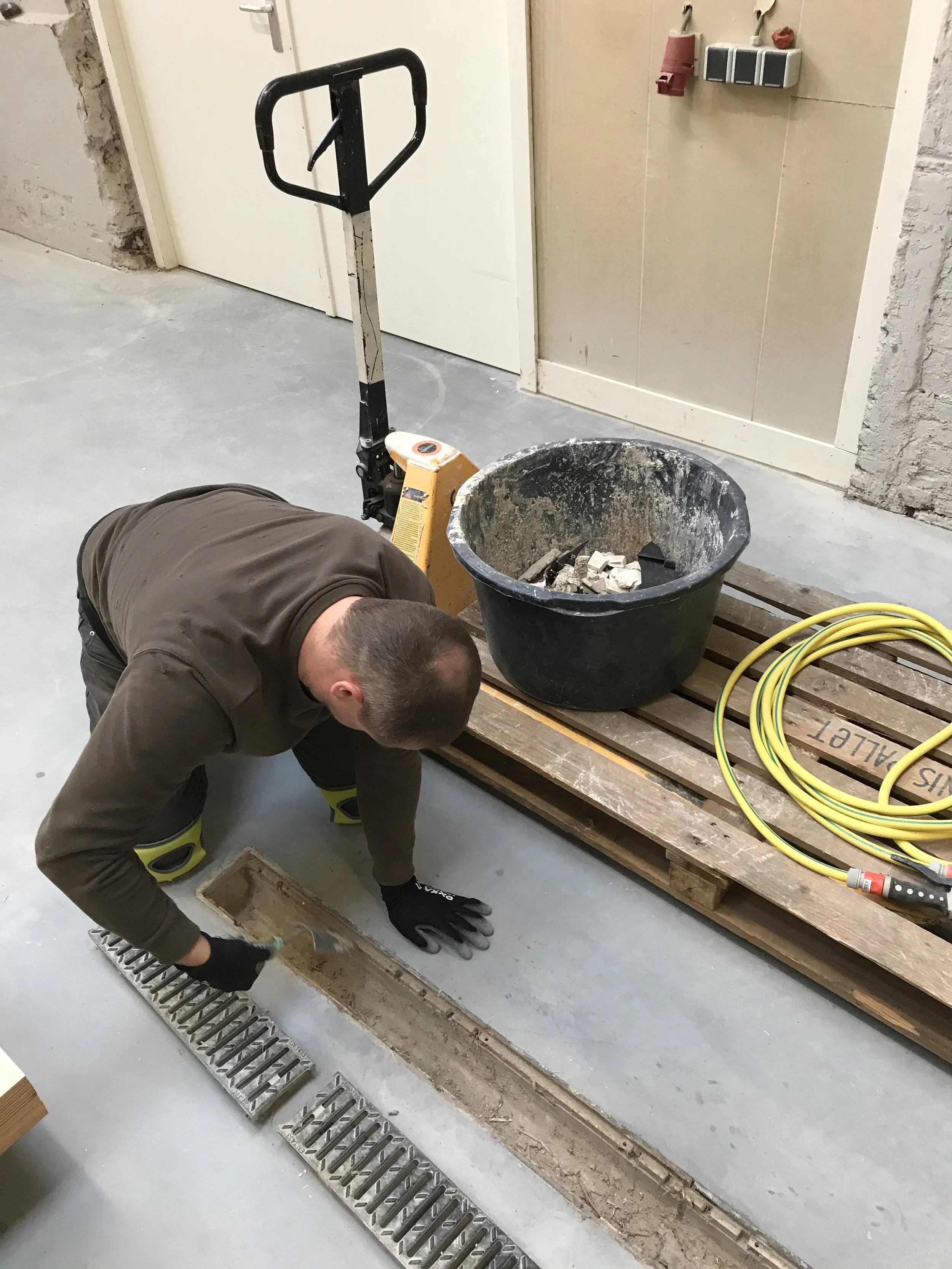
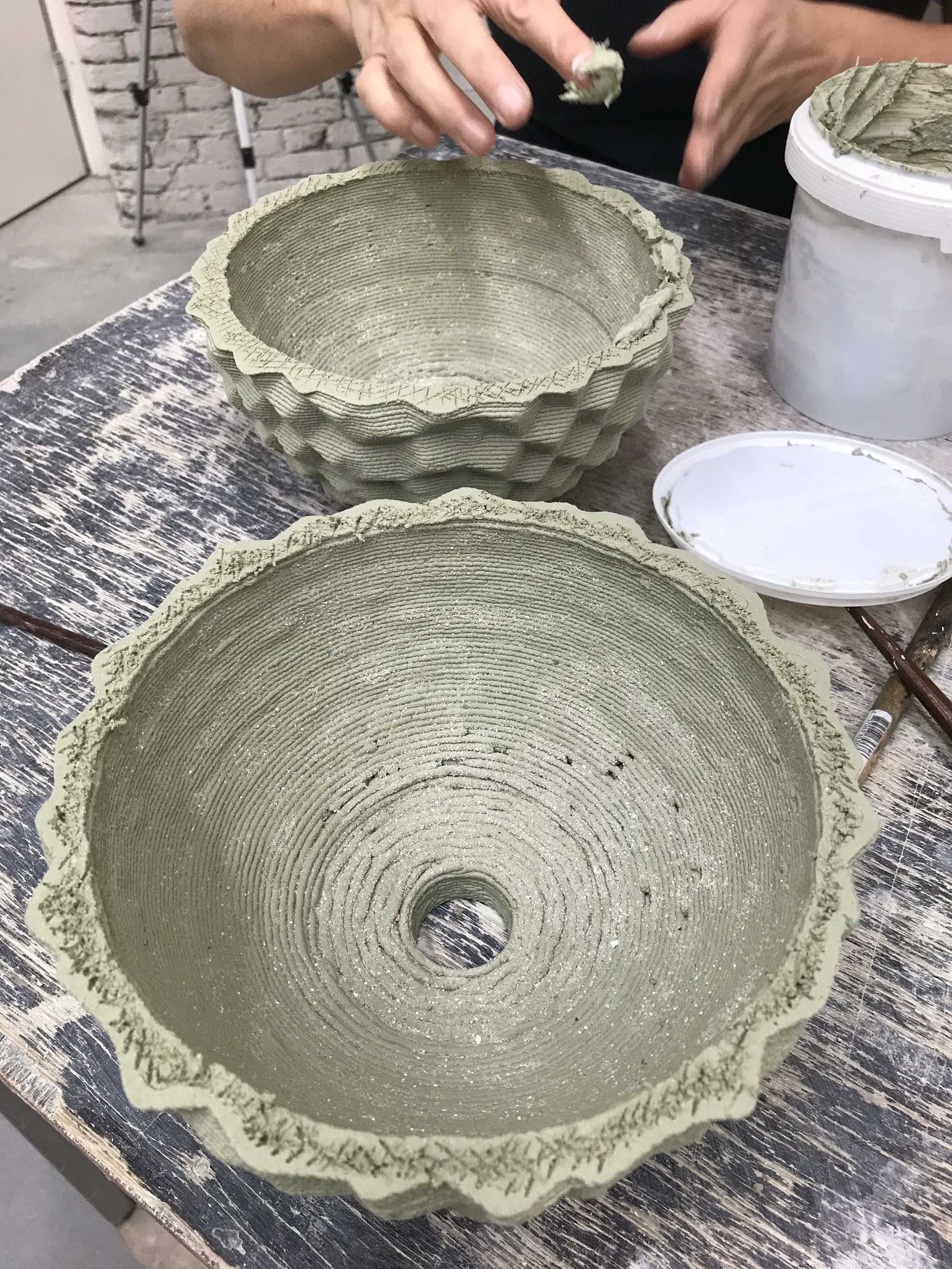
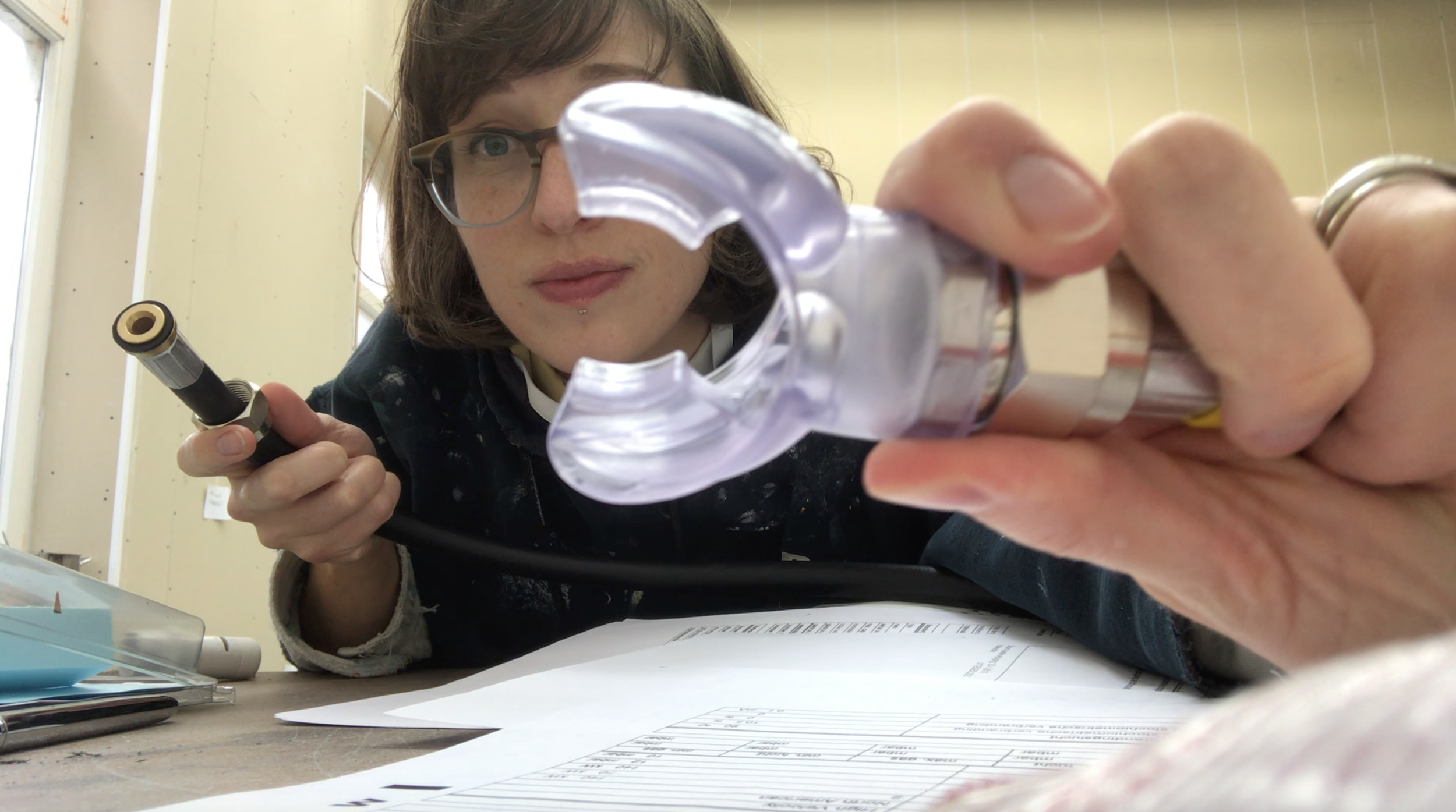
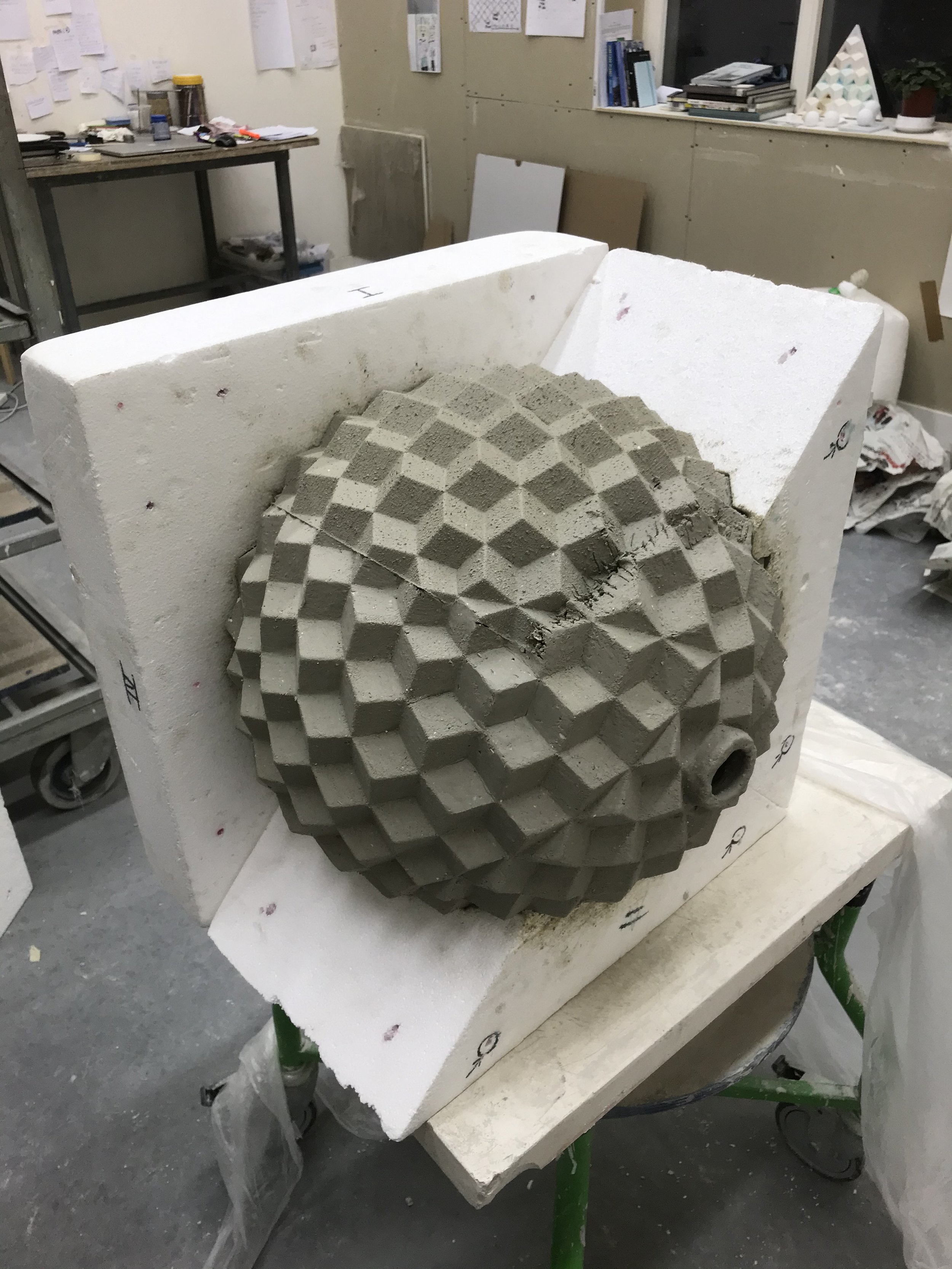
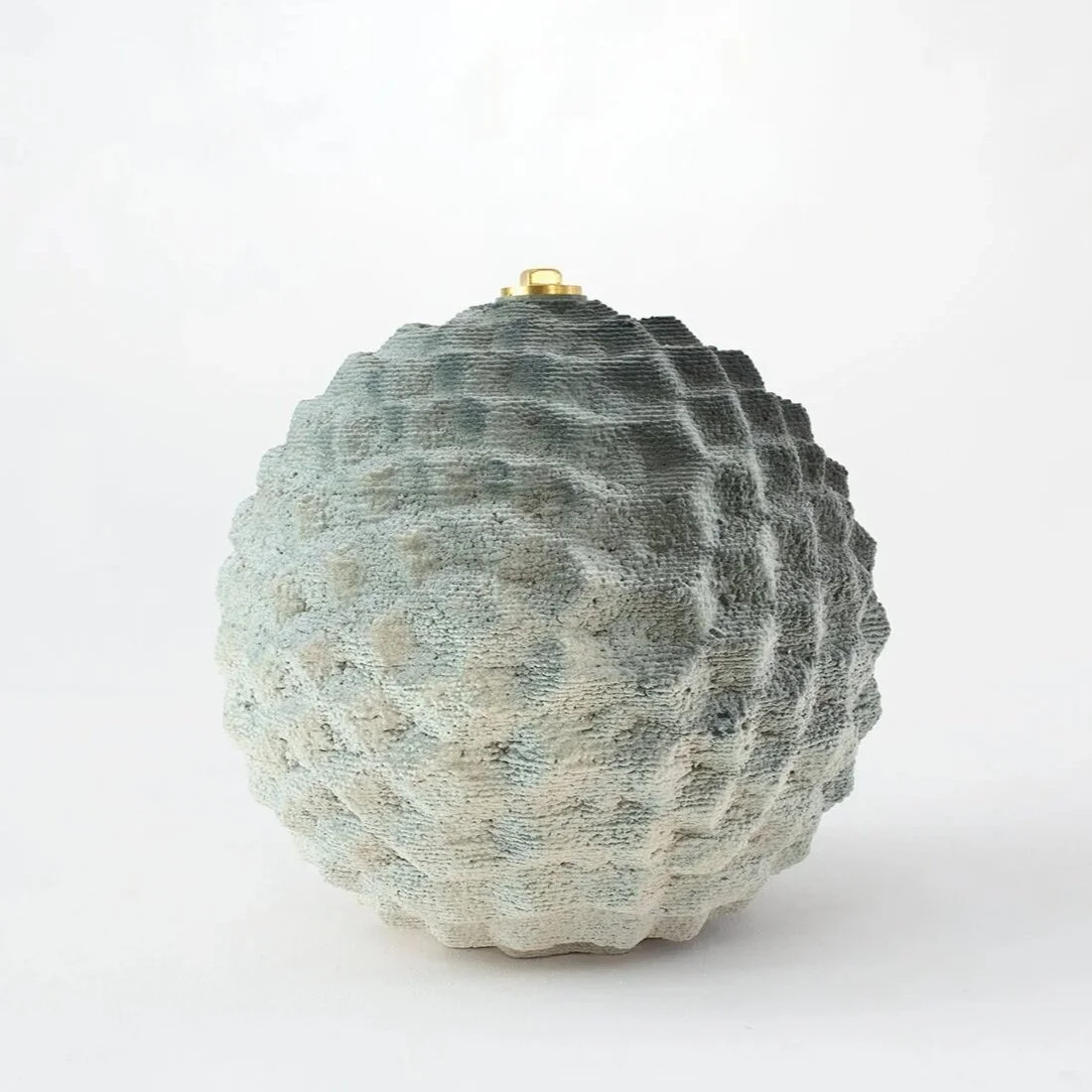
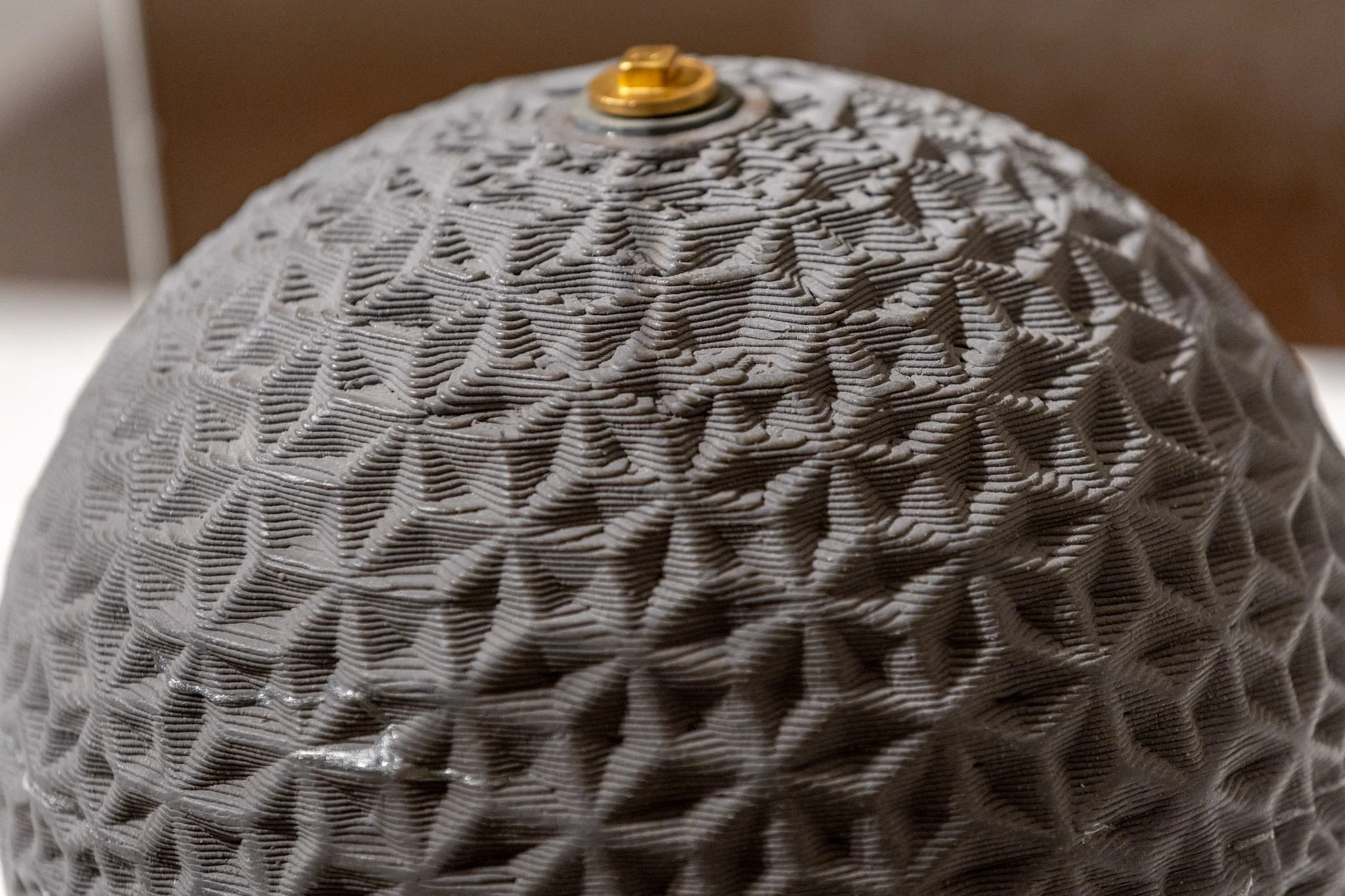
Zero-waste methods, Whitehead’s research interests, Haftner’s aesthetic principles, and industrial gas-containment standards shaped both process and form of Carbon Copies—evident in the use of 3D-printing to avoid mold fabrication, the application of Whitehead’s glaze recipes, and the inclusion of Haftner’s “tumbling blocks” tessellation motif.

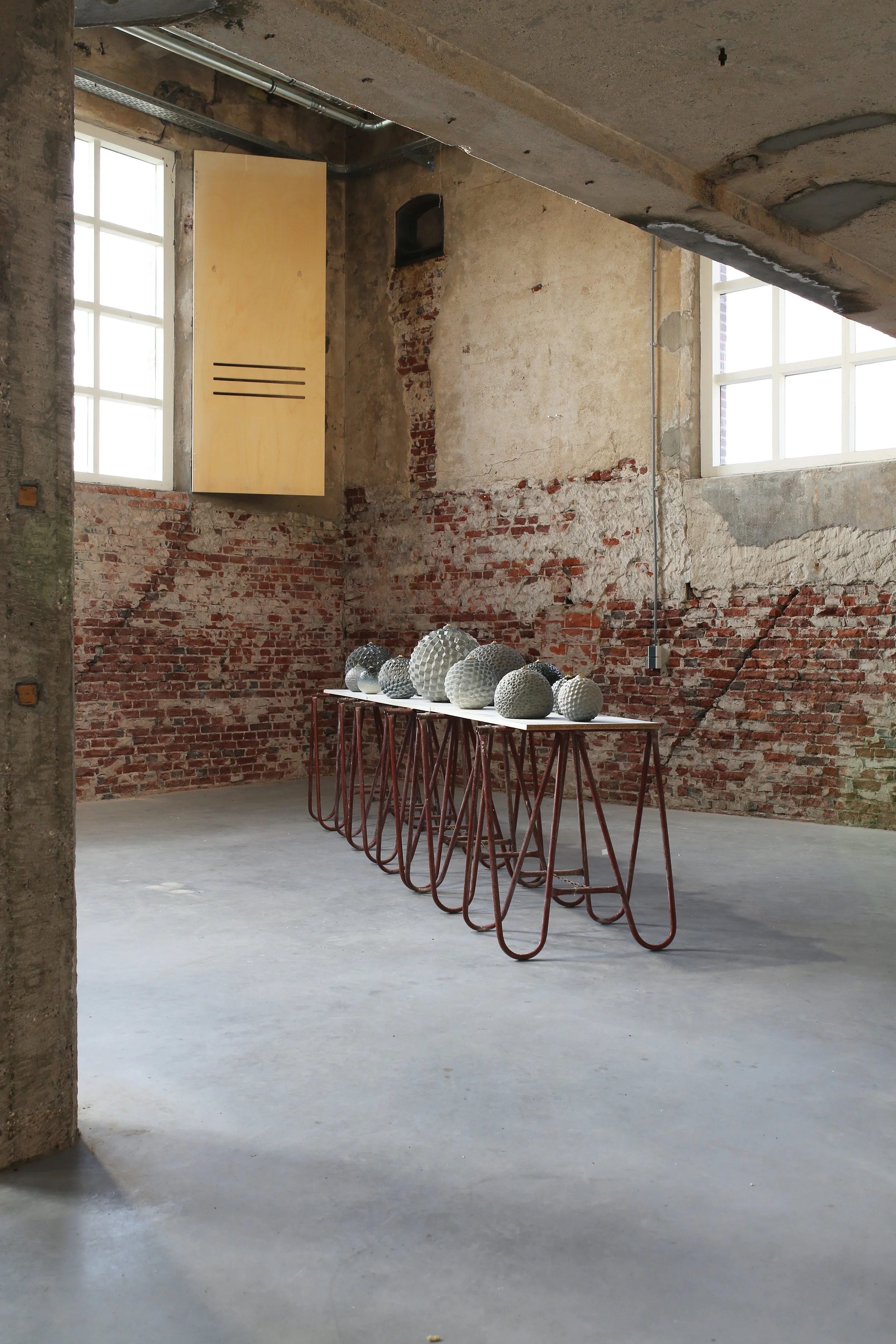
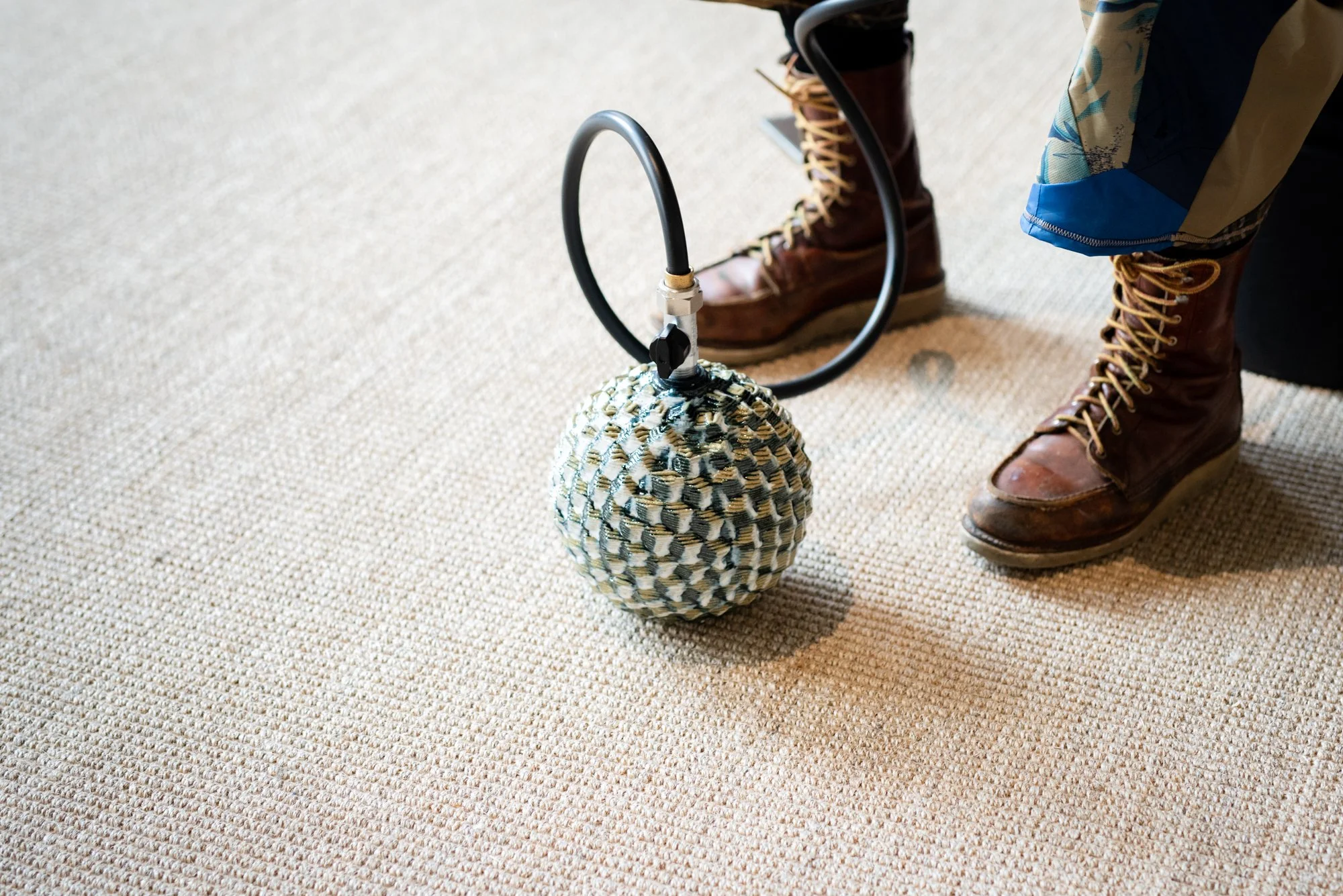
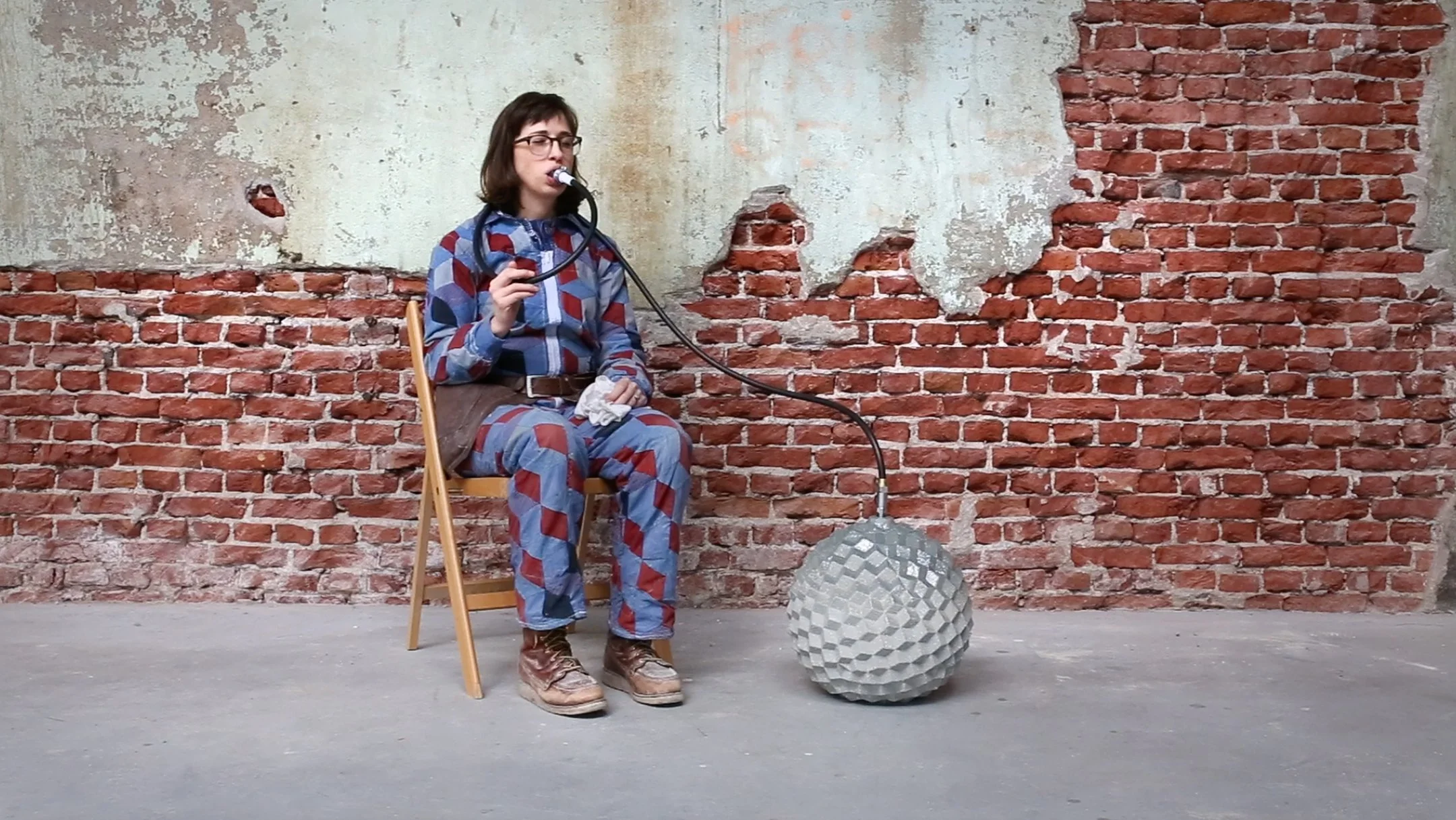
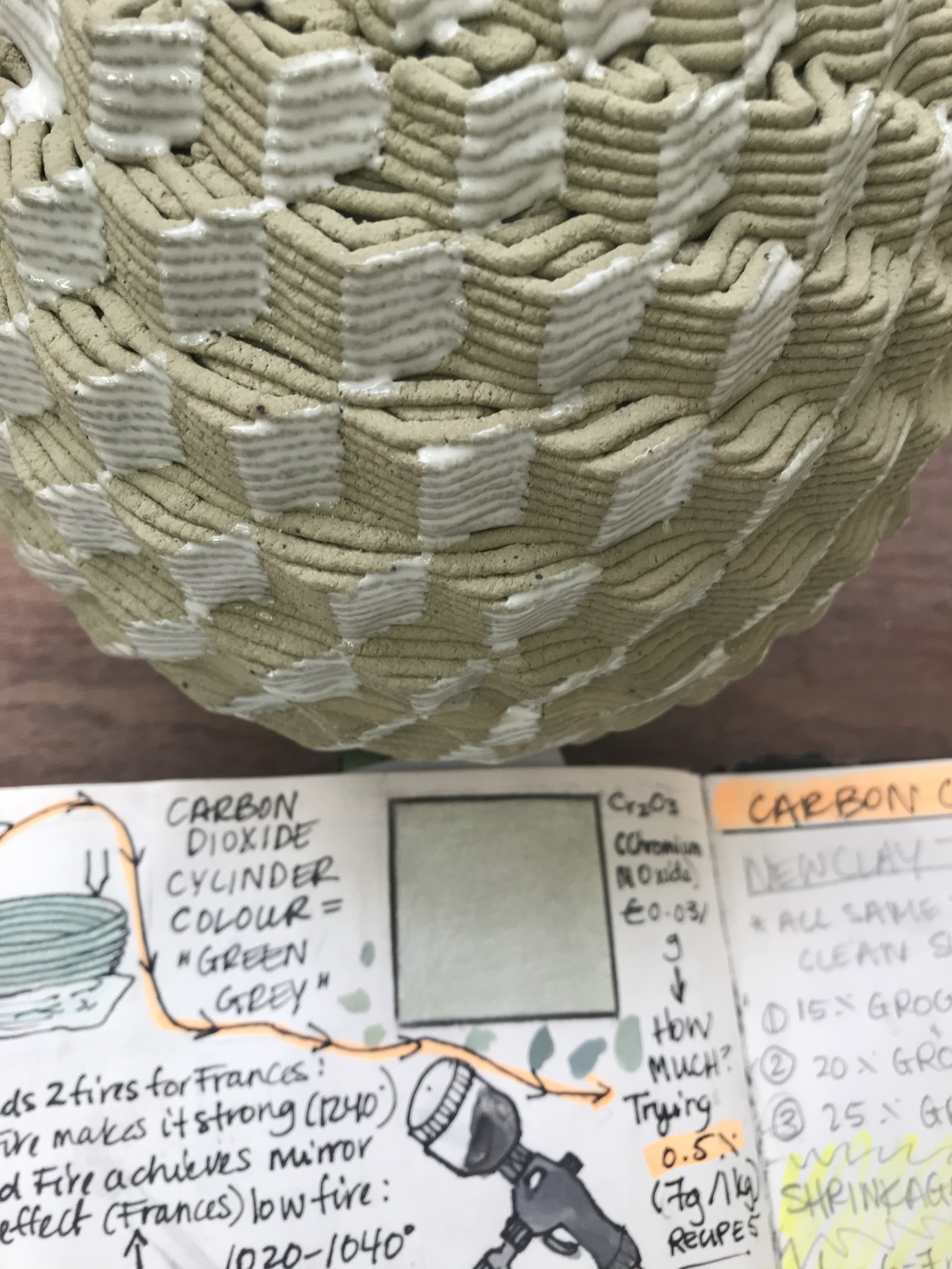
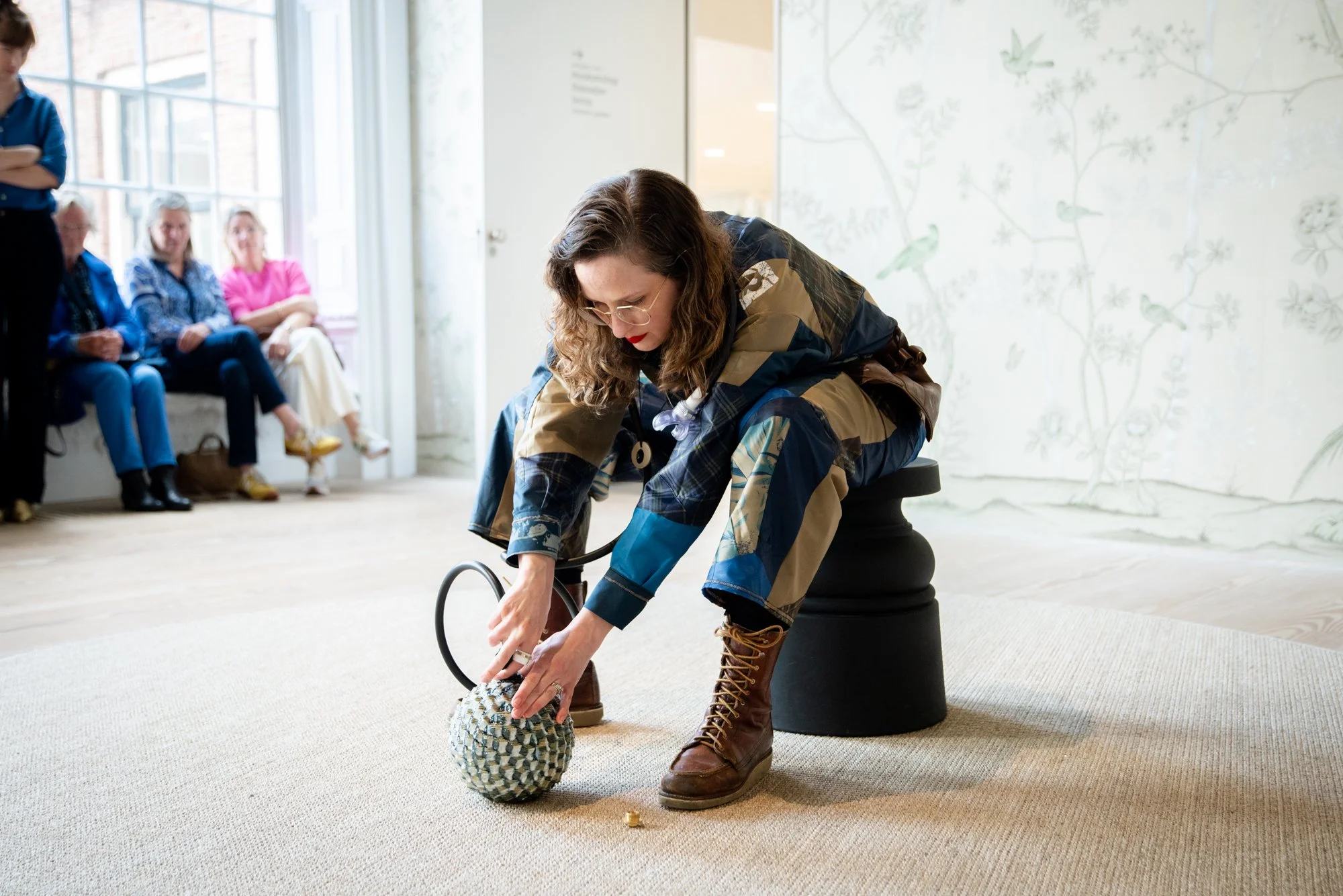
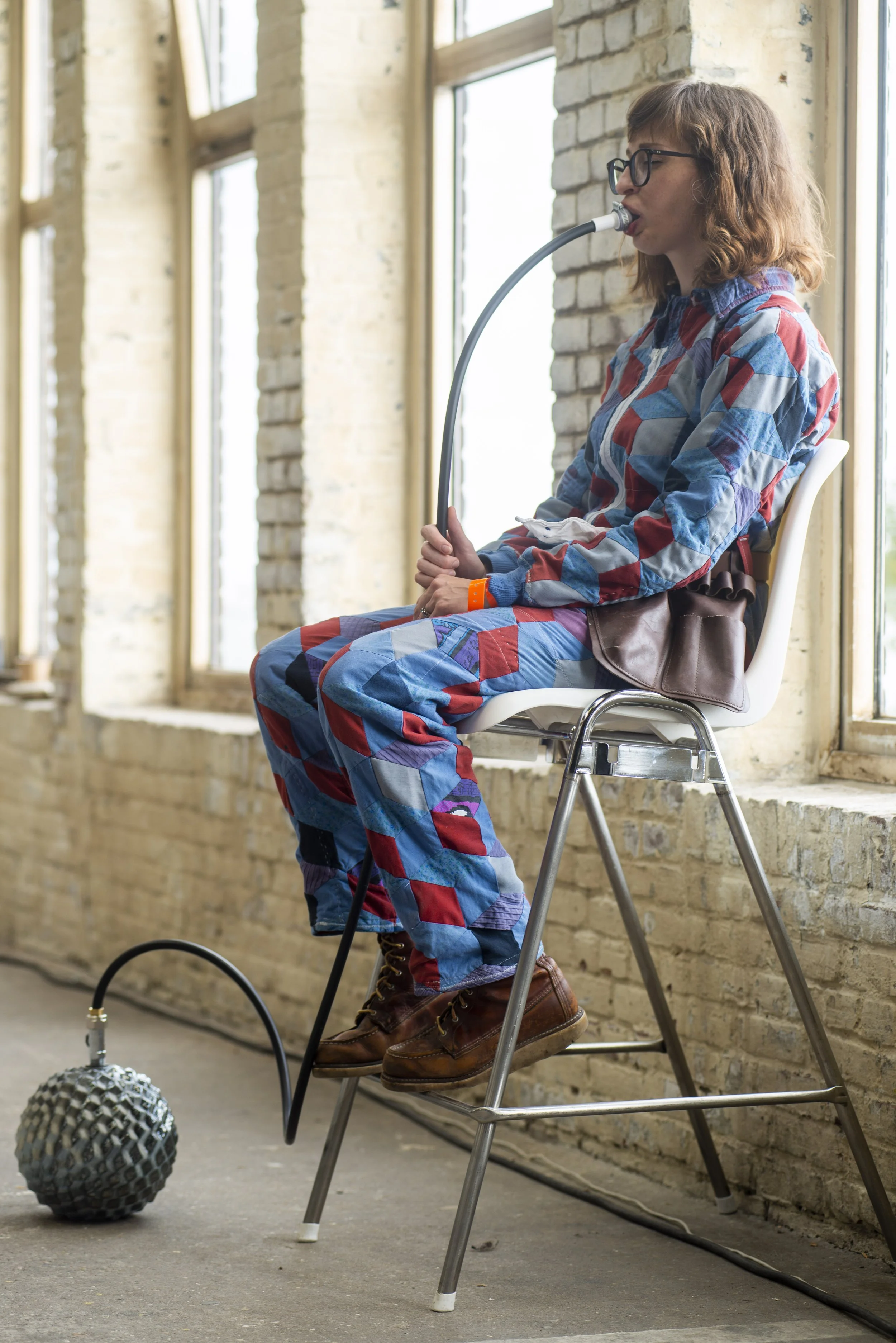
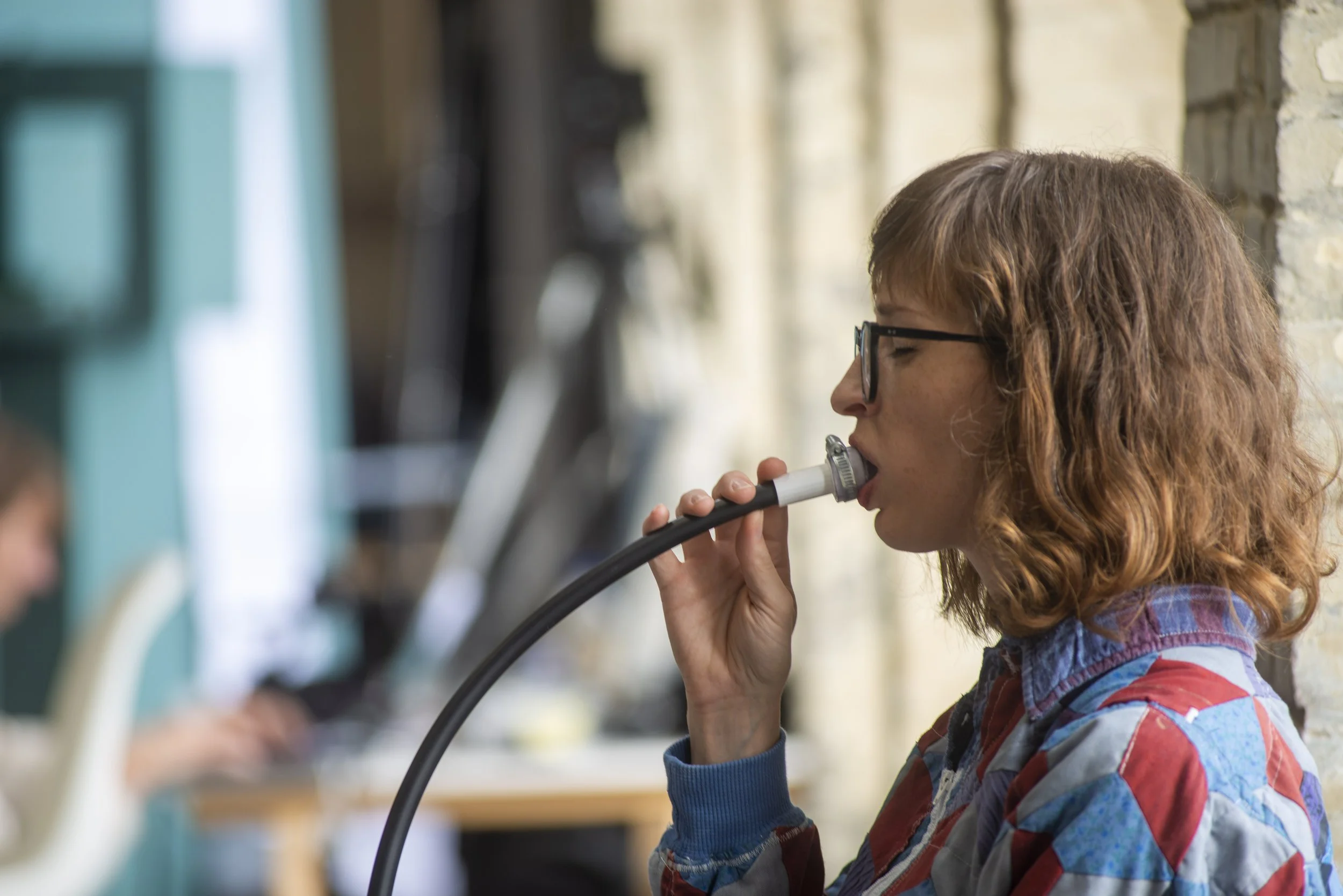
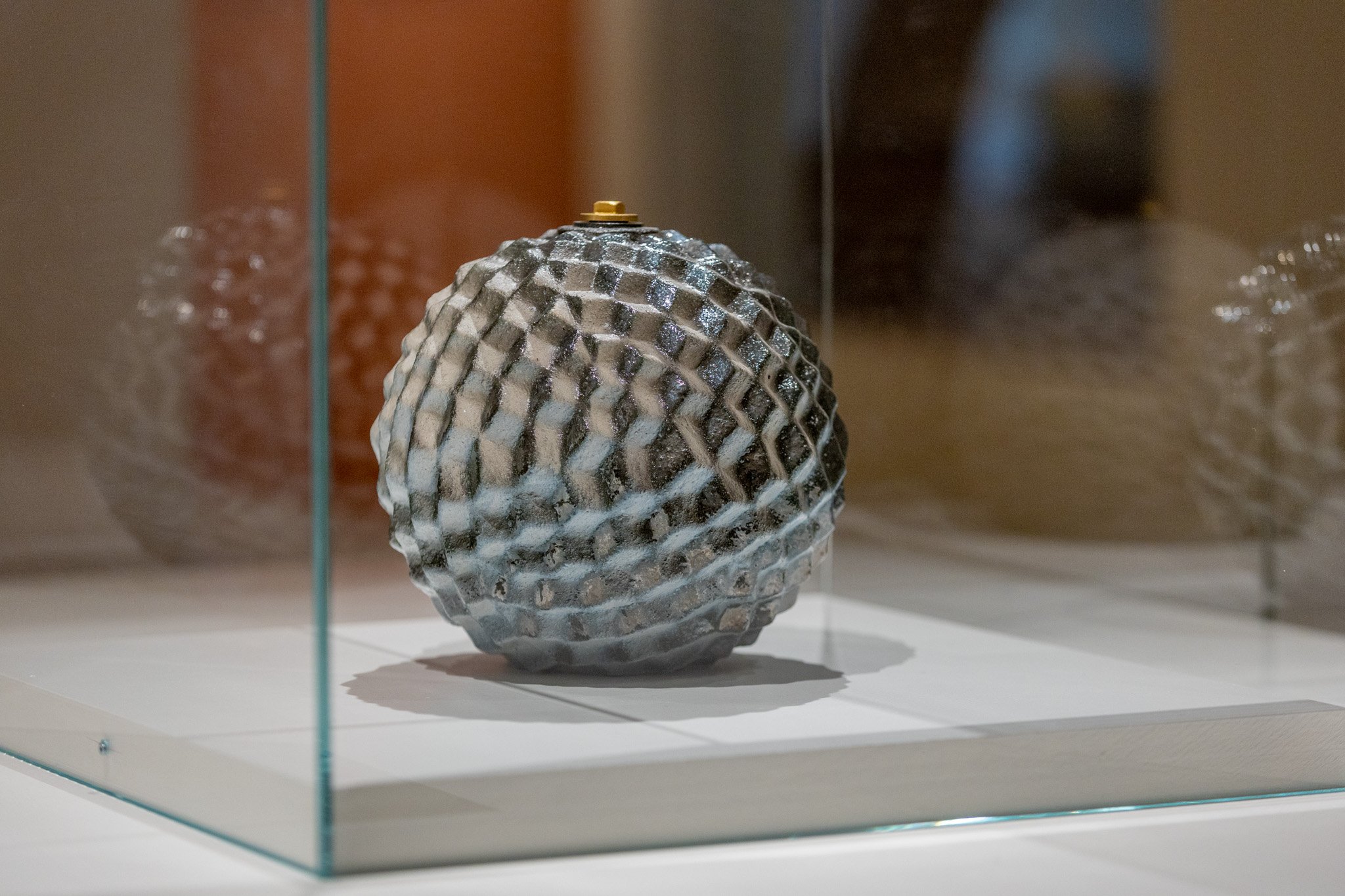
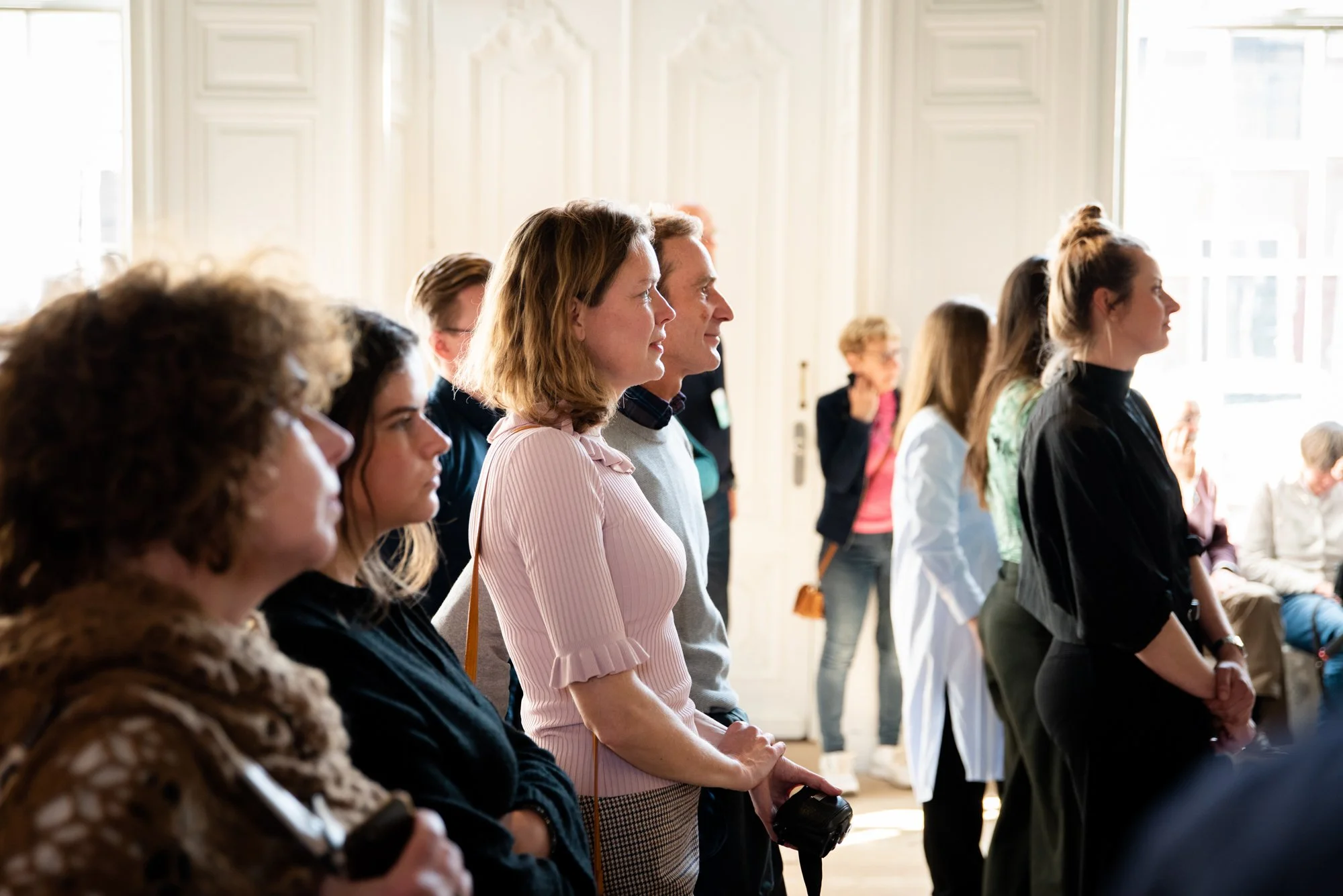
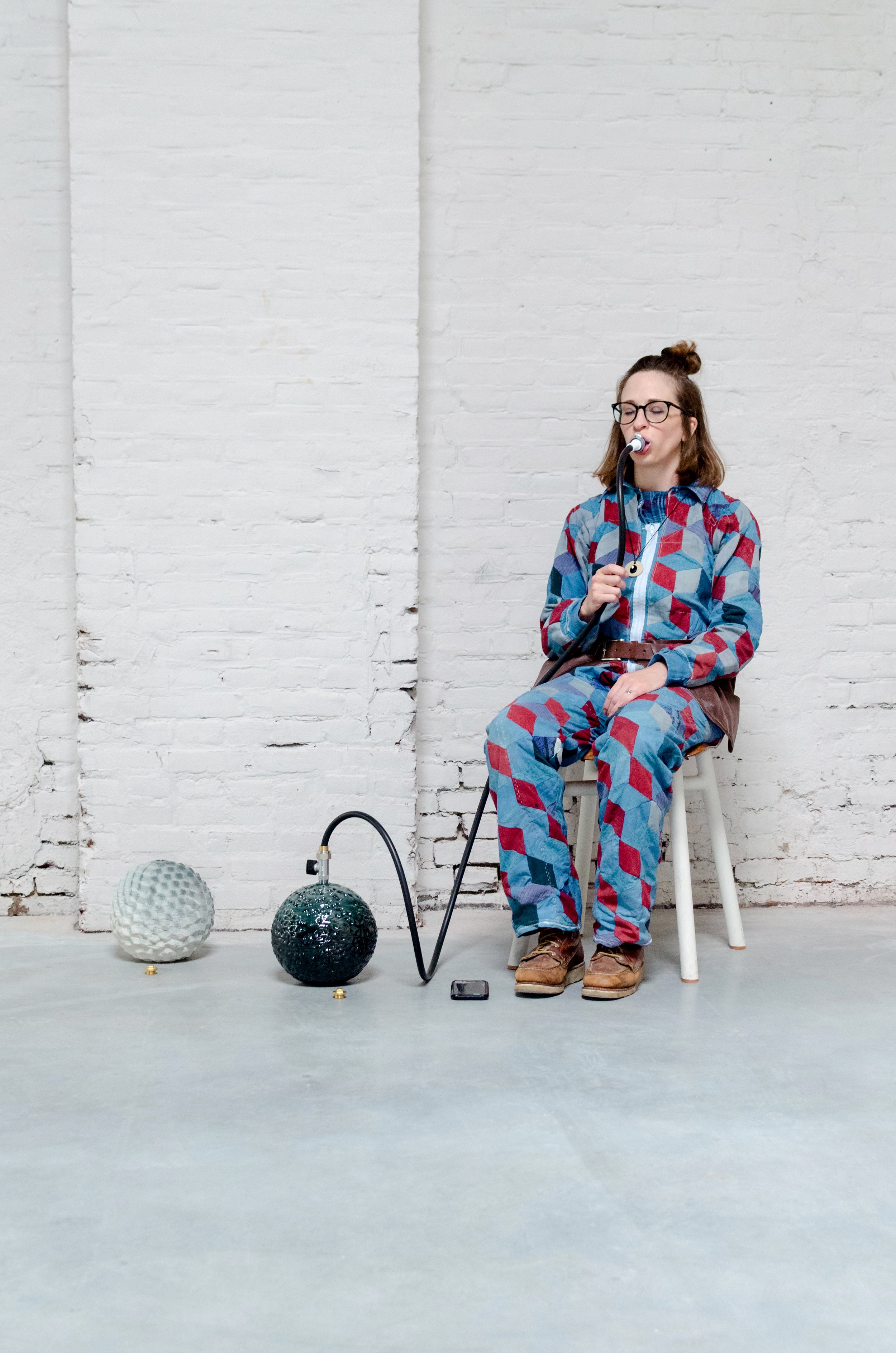
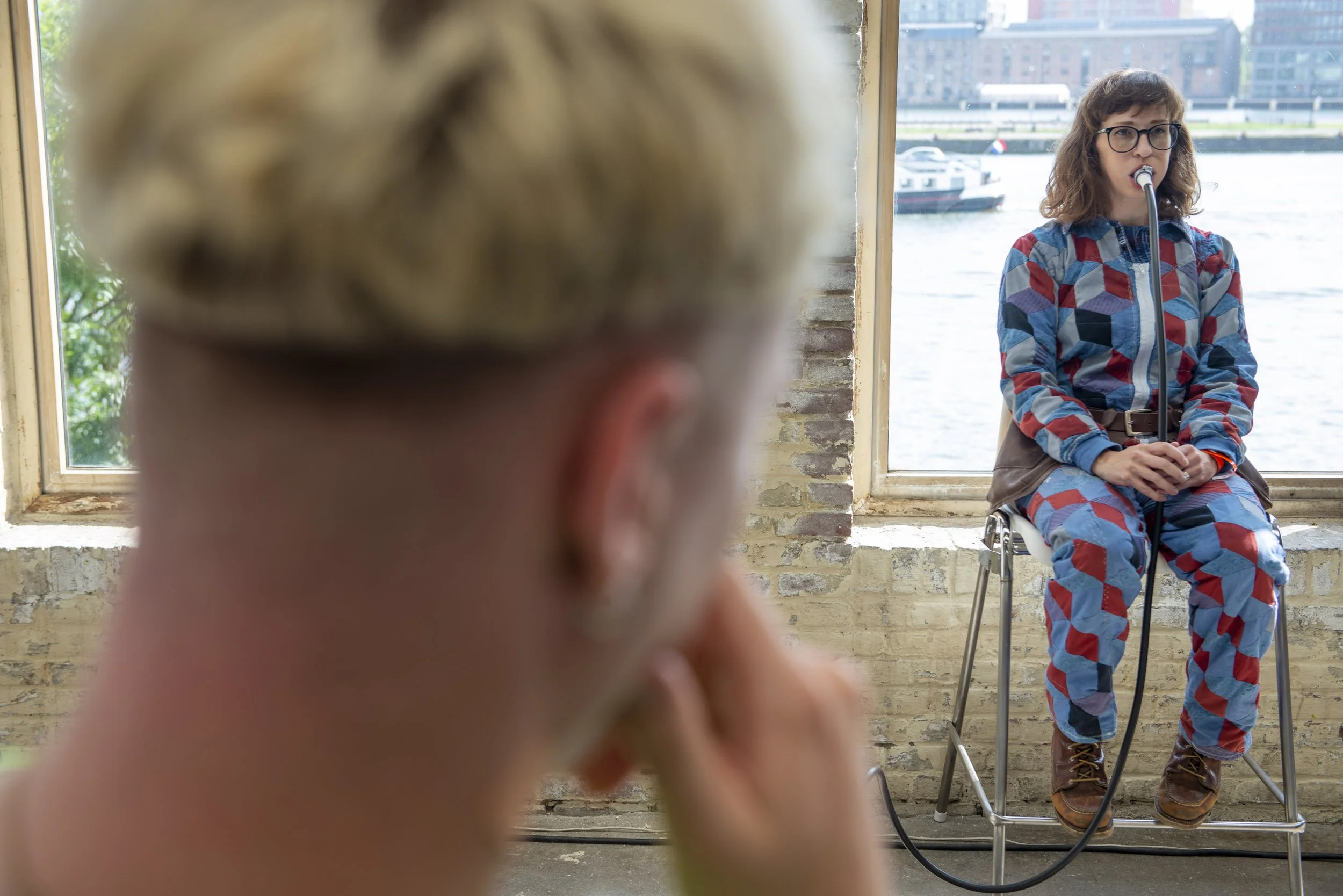

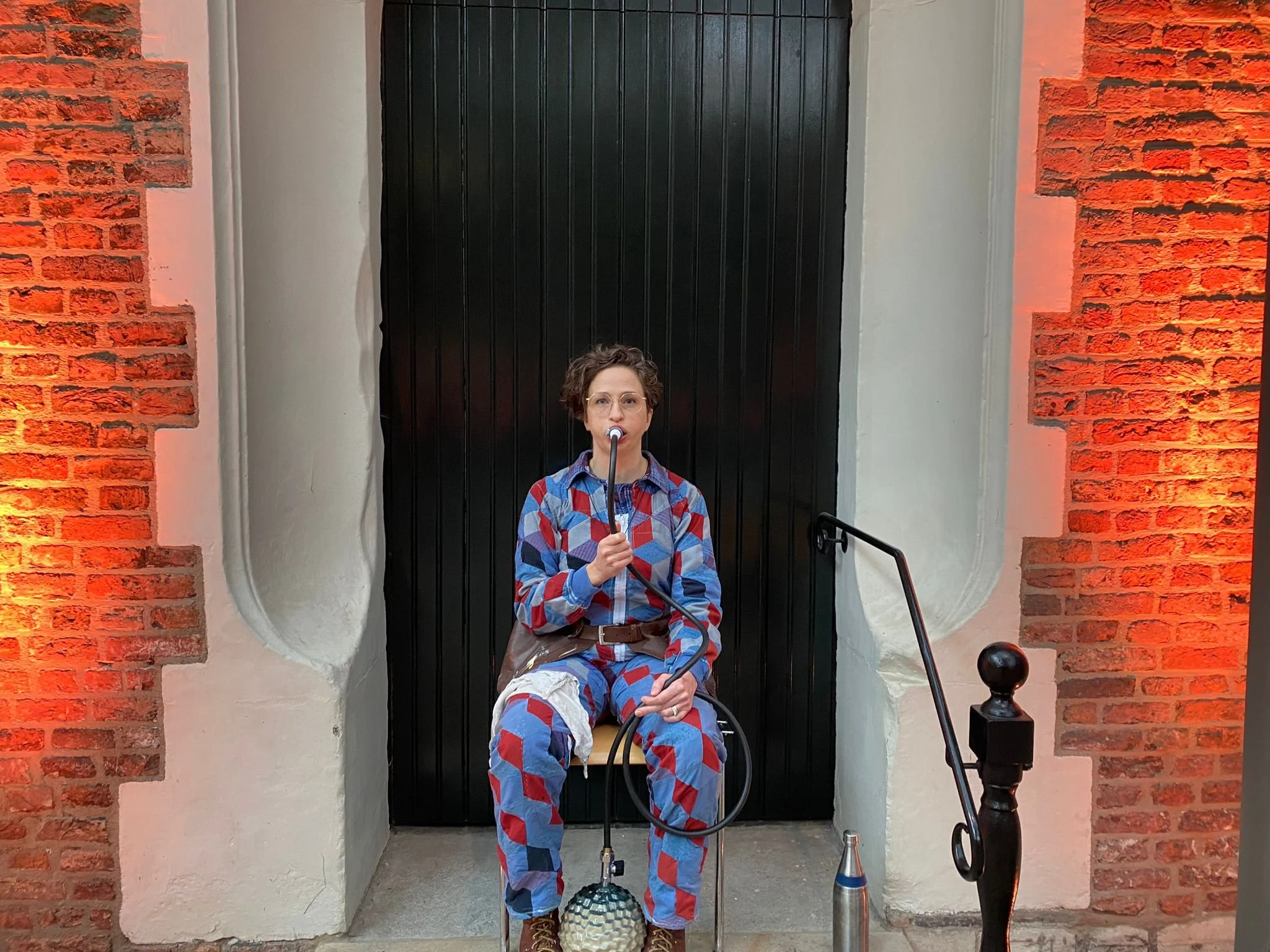

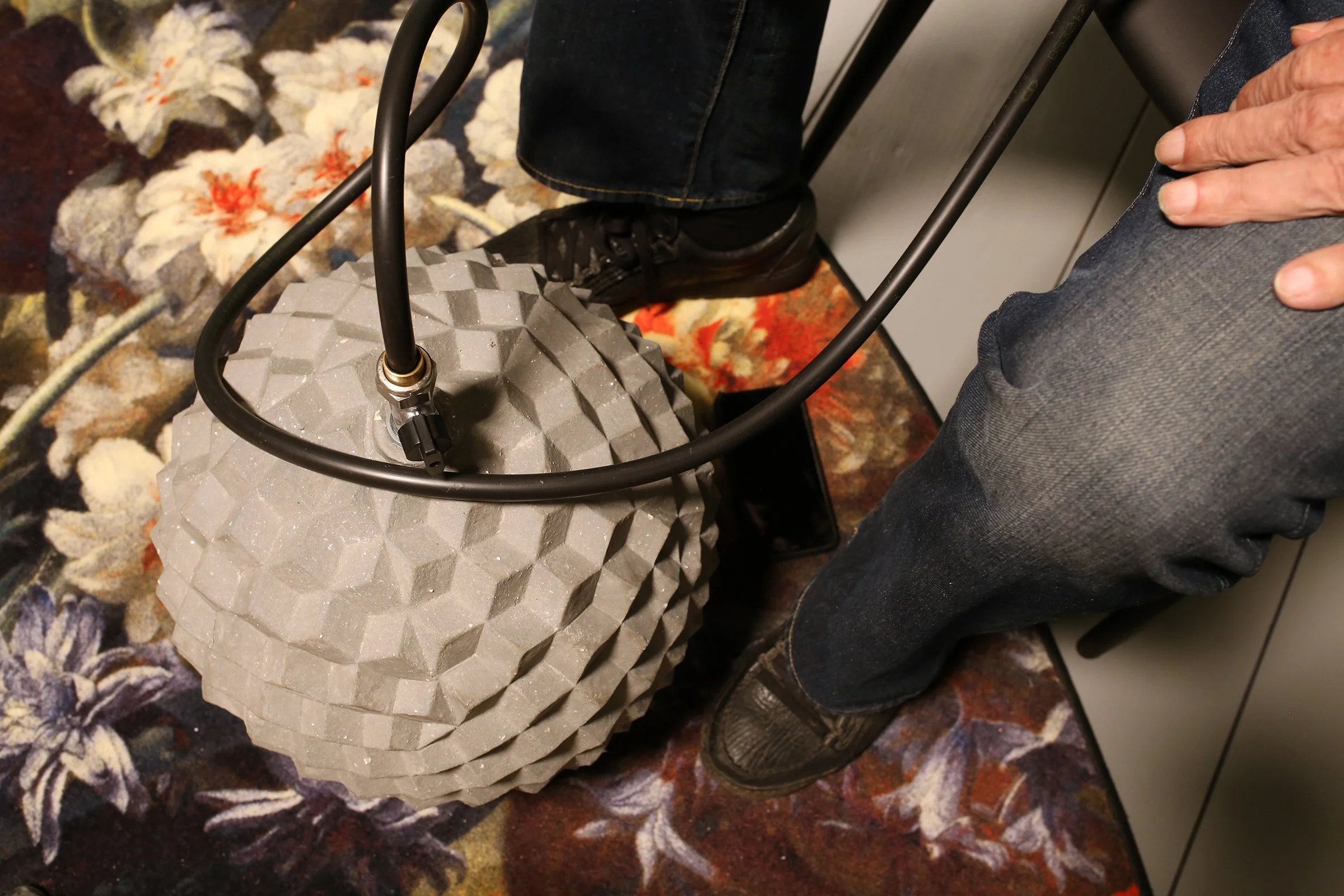
Above images feature work shown at Keramiekmuseum Princessehof (2023), photographed by Ruben van Vliet and David Vroom, as well as performances and installations at the European Ceramic Workcentre (2021). Additional documentation includes P.S. Performance Site at This Art Fair, Kromhouthal Amsterdam (2021), photographed by Friso Spoelstra; Royal Delft Museum, Delft, NL (2023), photographed by Koos Bommelé; Test Case XXIII at the European Ceramic Workcentre (2021), photographed by Ad van Lieshout; and This Art Fair, Amsterdam (2022), photographed by Ernst van Deursen.